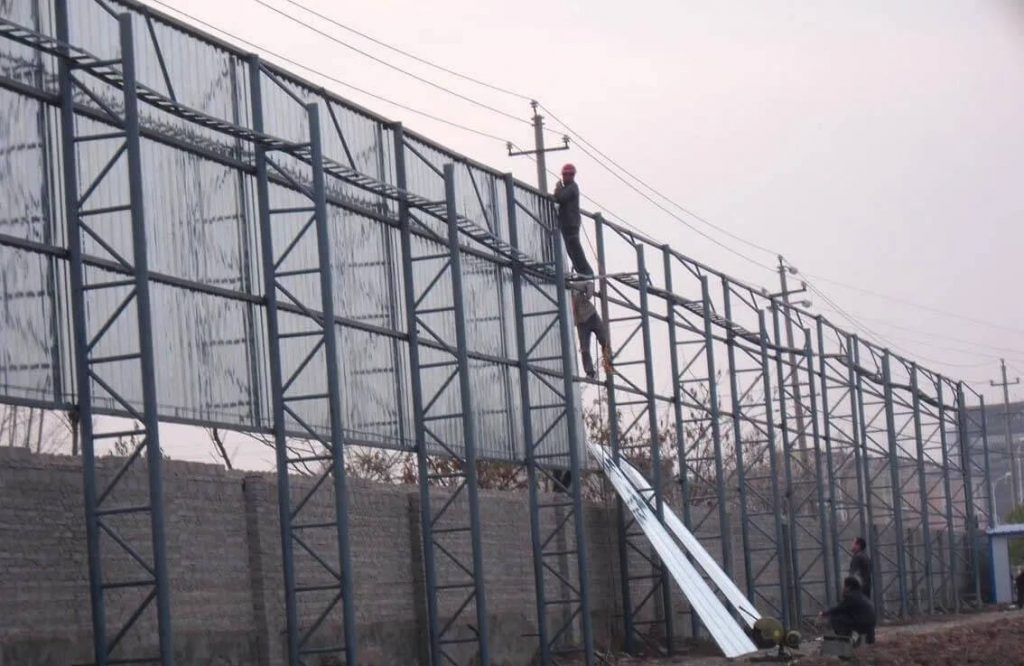

Outdoor billboards and hoardings dominate highways, city junctions, and commercial zones. However, behind every safe and long-lasting billboard stands the role of structural engineering in safe billboard manufacturing. Structural engineering ensures that billboard structures are not only visible but also stable, compliant, and capable of withstanding environmental and operational stresses.
Without proper engineering, billboards can become safety hazards. Therefore, structural engineering plays a critical role in protecting public safety, advertiser investments, and long-term performance.
Why Structural Engineering Is Essential in Billboard Manufacturing
Billboards are exposed to wind loads, rain, heat, traffic vibrations, and sometimes seismic activity. As a result, their structural design must account for multiple forces acting simultaneously.
Structural engineering evaluates these forces scientifically. Consequently, it helps manufacturers design billboards that remain stable under extreme conditions while maintaining visual appeal.
Moreover, proper engineering ensures compliance with local safety norms and municipal regulations.
Structural Design Planning for Billboard Safety
Load Calculations and Stress Analysis
One of the most important roles of structural engineering in safe billboard manufacturing is accurate load calculation. Engineers analyze:
-
Dead load (weight of structure and display)
-
Live load (maintenance activity)
-
Wind load
-
Dynamic loads from traffic and vibration
As a result, the structure is designed to handle maximum stress without deformation or failure.
Wind Load Analysis: A Critical Safety Factor
Understanding Wind Pressure on Billboards
Wind is the biggest threat to billboard stability. Structural engineers study wind speed patterns, billboard height, surface area, and surrounding terrain.
Therefore, they design frames, columns, and bracing systems that distribute wind pressure evenly. This approach prevents collapse during storms and high-speed winds.
Foundation Engineering for Billboard Stability
Importance of Strong Foundations
Even the strongest billboard structure will fail without a solid foundation. Structural engineering focuses heavily on foundation design, especially for unipoles and large-format hoardings.
Engineers analyze soil type, bearing capacity, and groundwater levels. Consequently, they recommend reinforced concrete foundations with proper anchoring depth.
This ensures that the billboard remains upright and aligned for years.
Material Selection Guided by Structural Engineering
Structural engineers work closely with fabrication teams to select suitable materials. They consider strength, flexibility, corrosion resistance, and weight.
Commonly engineered materials include:
-
Structural steel for high load-bearing
-
Galvanized steel for corrosion resistance
-
Aluminum for lightweight installations
As a result, the structure achieves both durability and safety.
Design of Joints, Welds, and Connections
Why Connections Matter in Billboard Manufacturing
Weak joints are a common cause of structural failure. Structural engineering ensures that bolts, welds, and joints are designed to withstand shear and tensile forces.
Moreover, engineers specify welding standards and fastening methods. Therefore, every connection becomes as strong as the main structure itself.
Structural Engineering in Digital and DOOH Billboards
Digital billboards add extra weight due to LED panels, screens, and electrical components. Consequently, structural engineering becomes even more important.
Engineers account for additional load, heat dissipation, and maintenance access. As a result, digital billboards remain safe while operating continuously.
Safety Audits and Structural Certification
Another key role of structural engineering in safe billboard manufacturing is inspection and certification. Engineers conduct safety audits before and after installation.
These audits identify potential weaknesses. Therefore, corrective measures are taken early, reducing risk and liability.
Compliance with Local Regulations and Standards
Municipal authorities require billboard structures to meet specific safety guidelines. Structural engineers ensure that designs comply with height restrictions, setback rules, and wind resistance standards.
As a result, advertisers avoid penalties, removals, or legal disputes.
Long-Term Durability Through Engineering Precision
Well-engineered billboards require less maintenance. Structural engineering minimizes material fatigue, rust-prone zones, and stress concentration points.
Consequently, the structure lasts longer and maintains alignment and safety throughout its lifecycle.
Conclusion
The role of structural engineering in safe billboard manufacturing goes far beyond calculations and drawings. It ensures public safety, structural stability, regulatory compliance, and long-term durability. From wind load analysis to foundation design and material selection, structural engineering transforms billboards from simple advertising frames into robust, reliable infrastructure assets.
For advertisers and manufacturers alike, investing in proper structural engineering is not optional. Instead, it is essential for safe, scalable, and sustainable outdoor advertising.