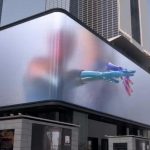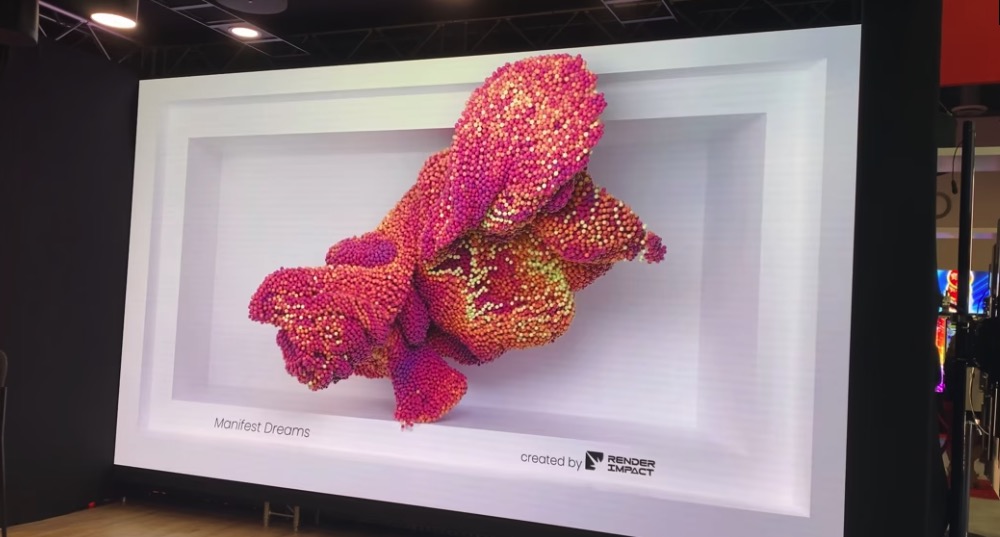

3D illusion displays, particularly anamorphic LED screens, have reshaped how brands approach outdoor advertising. While their visual impact is undeniable, marketers increasingly ask an important question—how do we measure their real effectiveness? Unlike traditional DOOH formats that focus mainly on impressions, 3D illusion displays require deeper performance metrics.
This article explains how to measure the impact of 3D illusion displays by focusing on three critical pillars: attention, dwell time, and social amplification.
Why Measuring Impact Is Different for 3D Illusion Displays
Standard DOOH campaigns are often evaluated using reach and frequency. However, 3D illusion displays aim to do more than just appear in front of audiences. They are designed to stop people, surprise them, and spark conversation.
Because of this, success metrics must shift from exposure-based indicators to engagement-based outcomes. Measuring attention quality becomes more important than counting raw impressions.
Attention: The First and Most Valuable Metric
Attention is the foundation of all advertising effectiveness. If a display fails to capture attention, nothing else matters.
How Attention Is Measured
Attention is typically evaluated using:
-
Eye-tracking studies
-
Viewability sensors
-
Computer vision-based audience analytics
3D illusion displays consistently show higher visual fixation compared to standard DOOH screens. Since the illusion disrupts expected visual patterns, the human brain automatically focuses on it.
As a result, brands achieve stronger first-glance recognition and message awareness.
Dwell Time: Measuring How Long Audiences Stay Engaged
Dwell time refers to the duration people spend actively looking at a display. In outdoor advertising, even a few extra seconds can dramatically increase recall.
Why 3D Illusion Displays Increase Dwell Time
Unlike flat content, 3D illusions take time to process. Viewers often pause to understand depth, motion, and perspective. Many even change position slightly to confirm what they are seeing.
This behaviour naturally increases dwell time, especially in pedestrian-heavy zones such as malls, high streets, and transit hubs.
Tools Used to Measure Dwell Time
-
Anonymous video analytics
-
Motion sensors
-
AI-powered audience measurement systems
Longer dwell time strongly correlates with higher message retention and brand recall.
Social Amplification: Extending Impact Beyond the Screen
One of the biggest advantages of 3D illusion displays is their ability to generate earned media through social sharing.
How Social Amplification Happens
When viewers encounter a compelling illusion, they often:
-
Record videos
-
Share on Instagram Reels or Shorts
-
Tag locations and brands
This behaviour turns a single physical screen into a multi-platform content source. Consequently, campaign reach extends far beyond the original location.
Measuring Social Amplification Effectively
Social amplification is measured through:
-
User-generated content volume
-
Hashtag mentions
-
Location-tagged posts
-
Organic engagement rates
Although these metrics sit outside traditional DOOH measurement, they provide strong indicators of cultural relevance and buzz.
Moreover, social amplification often delivers impressions at zero additional media cost, improving overall ROI.
Combining Offline and Online Metrics for True Impact
The most accurate evaluation of 3D illusion displays comes from combining physical and digital metrics. When attention and dwell time are supported by social sharing, the campaign achieves full-funnel impact.
Brands should evaluate:
-
Attention uplift versus standard DOOH
-
Average dwell time per viewer
-
Volume and quality of social shares
-
Sentiment and comment engagement
This holistic approach reveals how the display performs both as a physical medium and a digital content trigger.
Benchmarking 3D Illusion Displays Against Standard DOOH
When compared to traditional DOOH formats, 3D illusion displays consistently outperform on:
-
Visual fixation duration
-
Viewer curiosity and recall
-
Organic social reach
Although they may involve higher creative and production effort, their attention efficiency often compensates for the investment.
Challenges in Measuring 3D Illusion Impact
Despite their advantages, measurement still faces challenges. Not all locations have advanced sensors, and social attribution can be fragmented across platforms.
However, as DOOH technology evolves, integrated measurement systems are becoming more accessible. These systems help brands justify premium spends with tangible engagement data.
The Future of Measurement in Immersive DOOH
In the coming years, measurement will become more sophisticated. AI-driven attention scoring, real-time engagement dashboards, and cross-platform attribution models will standardise how 3D illusion displays are evaluated.
As a result, brands will no longer rely solely on visual wow-factor. Instead, they will make data-backed decisions about immersive outdoor investments.
Conclusion: Measuring What Truly Matters
3D illusion displays succeed not because they are visually impressive, but because they earn attention, extend engagement, and spark conversation. Measuring their impact requires looking beyond impressions to focus on how people actually behave.
By tracking attention, dwell time, and social amplification together, brands gain a clear understanding of the true value of immersive outdoor advertising.
In the evolving DOOH landscape, the most powerful campaigns will be those that captivate audiences—and can prove it with data.