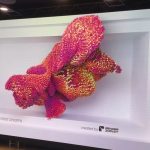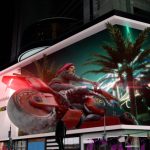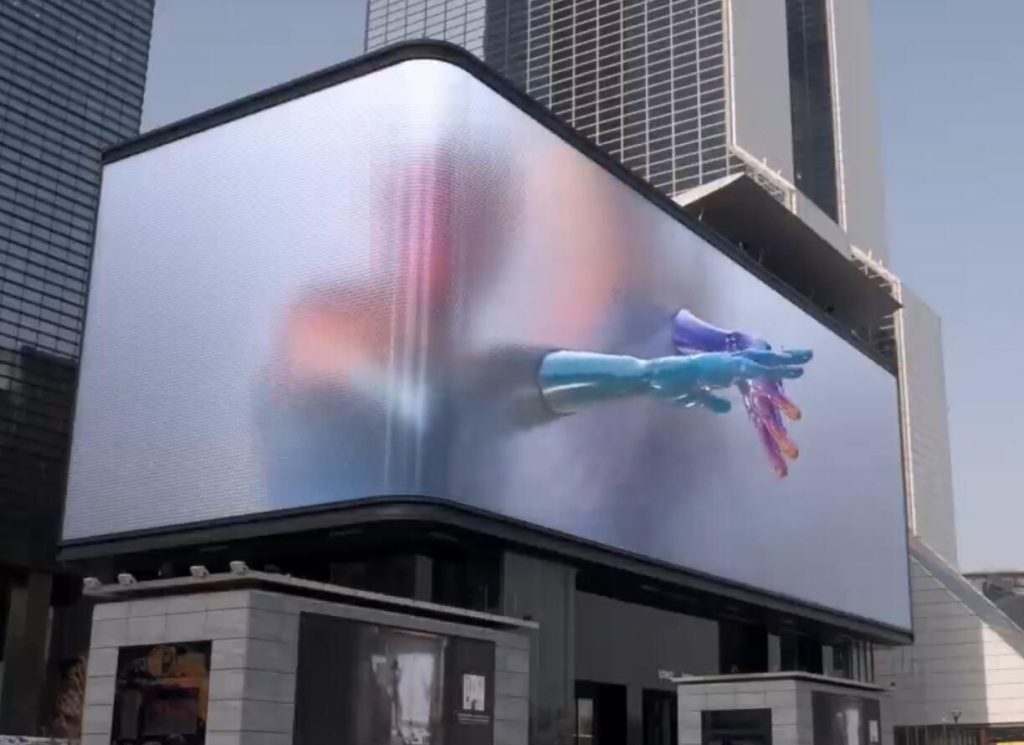

Anamorphic 3D content has become one of the most attention-grabbing formats in outdoor advertising. However, as more brands adopt this high-impact medium, a critical challenge has emerged—localisation. Unlike standard DOOH creatives, anamorphic 3D content cannot be duplicated and deployed universally. Instead, it must be carefully adapted for different cities, screen architectures, and audience viewing conditions.
This article explains how brands can localise anamorphic 3D content for different cities and screen sizes while maintaining illusion strength, storytelling clarity, and brand consistency.
Why Localisation Matters in Anamorphic 3D Advertising
Anamorphic illusions rely on perspective accuracy. What works perfectly on one screen may fail completely on another due to changes in size, angle, architecture, or audience flow. Therefore, localisation is not optional—it is essential.
Cities differ in traffic behaviour, pedestrian density, lighting conditions, and even visual clutter. As a result, anamorphic content must respond to these differences to remain effective and believable.
Start with City-Specific Screen Architecture Analysis
Localisation begins with understanding screen architecture, not content.
Brands should analyse:
-
Screen dimensions and aspect ratio
-
Corner, flat, or curved LED structures
-
Elevation and tilt angle
-
Viewing distance and approach direction
For example, a corner LED screen in Mumbai allows deeper horizontal illusions, while a tall single-plane screen in Bengaluru may support vertical depth storytelling better. By adapting content to architectural strengths, the illusion remains powerful across cities.
Lock the Primary Viewing Angle for Each Location
Each city location has a dominant viewing angle based on traffic flow and pedestrian movement. Anamorphic content must be recalibrated for this angle every time.
Instead of changing the idea, brands should:
-
Rebuild perspective mapping per screen
-
Lock a new virtual camera angle
-
Recalculate depth distortion
This ensures the illusion appears natural rather than skewed. Without this step, even premium 3D assets lose impact instantly.
Adapt Depth Intensity Based on Screen Size
Large screens support aggressive depth and dramatic pop-outs. Smaller screens, however, require restrained depth to avoid visual distortion.
To localise effectively:
-
Increase depth scale for landmark screens
-
Reduce foreground projection for compact displays
-
Balance mid-ground elements for clarity
By adjusting depth intensity rather than content identity, brands maintain consistency while improving readability.
Use Modular Storytelling for Easy Adaptation
Brands that plan localisation early use modular storytelling. Instead of one long animation, content is designed in adaptable segments such as:
-
Hero product moment
-
Environmental interaction
-
Brand reveal
Each module can be resized, repositioned, or re-timed based on screen proportions. As a result, localisation becomes faster without compromising creative quality.
Incorporate City Cues Without Overdoing Localisation
Subtle city references strengthen relevance without distracting from the illusion. These may include:
-
Skyline silhouettes
-
Local colour tones
-
Familiar urban textures
However, overt city branding can overpower the illusion. The goal is contextual relevance, not literal representation. When done subtly, localisation feels organic and premium.
Adjust Motion Speed Based on City Viewing Behaviour
Audience movement varies by city. In high-traffic zones, viewers may only glance for a few seconds. In pedestrian-heavy areas, dwell time is longer.
Therefore:
-
Fast-moving cities require quicker visual payoff
-
Leisure zones allow slower, cinematic motion
Adjusting animation speed improves comprehension and engagement without altering core visuals.
Maintain Brand Consistency Across Cities
While localisation changes perspective and scale, brand identity must remain constant. This includes:
-
Product proportions
-
Brand colours and lighting
-
Narrative tone
Brands should treat localisation as technical adaptation, not creative reinvention. Consistency ensures recall across multiple markets.
Test and Calibrate On-Site for Every City
Even with perfect planning, real-world conditions vary. Ambient light, reflections, and screen brightness affect illusion quality.
On-site testing allows teams to:
-
Fine-tune contrast and highlights
-
Adjust depth exaggeration
-
Improve edge alignment
This final calibration step often determines whether the illusion succeeds or fails.
Why Localised Anamorphic Content Performs Better
Brands that localise anamorphic content achieve:
-
Higher attention retention
-
Better illusion clarity
-
Increased social sharing
-
Stronger city-level relevance
Instead of appearing repetitive, the campaign feels custom-built, premium, and thoughtfully executed.
The Future of City-Specific Anamorphic Campaigns
As DOOH networks expand, anamorphic localisation will become more data-driven. AI-assisted perspective mapping and dynamic depth adjustment will soon allow faster city rollouts without sacrificing quality.
In the future, brands will design anamorphic content with localisation at its core rather than as an afterthought.
Conclusion: Localisation Is the Key to Scalable Impact
Anamorphic 3D advertising delivers unmatched attention, but only when executed with precision. By adapting content to different cities and screen sizes, brands preserve illusion strength while scaling their campaigns intelligently.
In immersive outdoor advertising, success is not about doing more—it is about doing it right, everywhere.