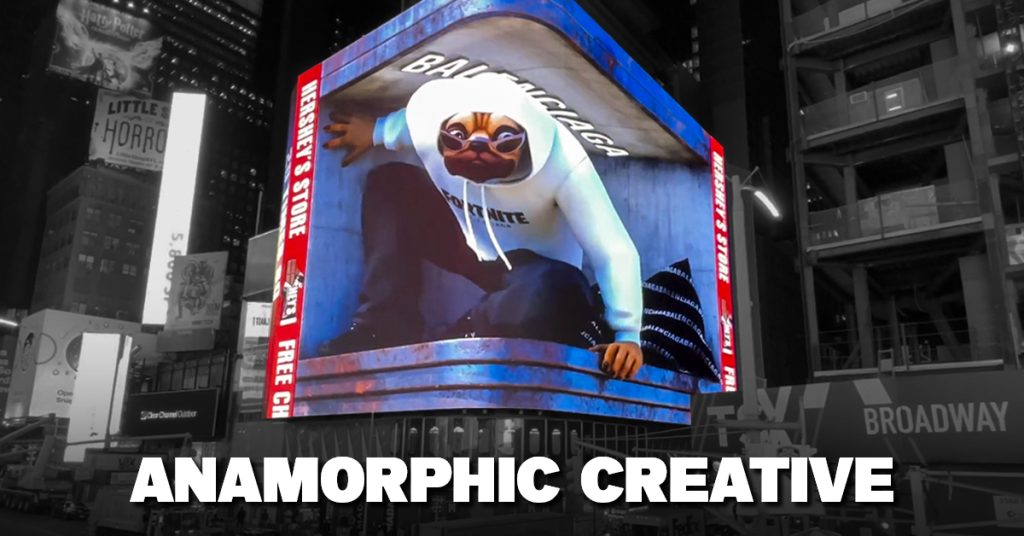

Anamorphic content and 3D billboard displays are redefining outdoor advertising by transforming large-format screens into immersive visual experiences. Unlike standard DOOH formats, these displays create the illusion of depth, motion, and realism, instantly capturing attention in crowded urban environments. However, while the format is powerful, its true value depends on industry relevance and campaign objectives.
This article explores the industries that gain the most from anamorphic content and 3D billboard displays, and explains why these sectors consistently achieve higher attention, recall, and social amplification.
Why Certain Industries Benefit More from Anamorphic 3D Advertising
Anamorphic 3D displays thrive on visual drama, storytelling, and product showcase. Industries with strong visual assets, innovation-driven messaging, or lifestyle appeal naturally perform better with this format.
Moreover, sectors that rely on brand perception, aspiration, or launch momentum gain disproportionate value because 3D illusions convert attention into emotional impact.
Consumer Electronics and Technology Brands
Technology brands benefit significantly from anamorphic content because their products are associated with innovation, futurism, and performance. Smartphones, wearables, laptops, and gaming devices can be showcased exploding out of screens, unfolding in mid-air, or interacting with cityscapes. As a result, the visual language reinforces innovation without relying on heavy text.
Additionally, tech launches often require immediate buzz. Anamorphic billboards deliver this by creating spectacle that audiences actively record and share.
Automotive and Electric Mobility Brands
Automotive brands are among the biggest winners in the anamorphic space. Cars, bikes, and electric vehicles lend themselves perfectly to depth, scale, and motion.
With 3D billboards, vehicles can appear to drive out of buildings, drift across corners, or float above roads. Consequently, brands communicate power, design, and performance within seconds. Electric mobility brands, in particular, use anamorphic content to signal future readiness and technological leadership in urban markets.
Fashion, Apparel, and Luxury Brands
Fashion thrives on aspiration and visual storytelling. Anamorphic 3D displays allow apparel and luxury brands to dramatise movement, texture, and scale.
Flowing fabrics, rotating accessories, and oversized product reveals elevate brand perception instantly. Because luxury relies heavily on exclusivity, premium 3D installations help brands stand apart from traditional retail advertising.
Furthermore, fashion content performs exceptionally well on social media, multiplying the value of anamorphic outdoor executions.
FMCG and Beverage Brands
Fast-moving consumer goods benefit from anamorphic content when the focus is on product launch, packaging innovation, or seasonal campaigns.
Beverage splashes, oversized packs, and dramatic pours gain instant visual appeal in 3D. While FMCG traditionally depends on frequency, anamorphic displays help brands dominate attention during high-competition periods such as festivals or summer peaks.
As a result, short-duration anamorphic campaigns often deliver stronger recall than long-running flat DOOH ads.
Entertainment, OTT Platforms, and Gaming
Entertainment brands rely on excitement, fantasy, and anticipation. Therefore, they are ideal candidates for anamorphic storytelling.
Movie characters appearing life-sized, game worlds breaking screen boundaries, or OTT shows teased through cinematic 3D moments generate immediate curiosity. Since entertainment content is already designed for sharing, social amplification becomes a natural extension of the campaign.
Gaming brands, especially, benefit from immersive illusions that mirror in-game experiences.
Real Estate and Infrastructure Developers
Premium real estate projects use anamorphic displays to visualise scale, architecture, and aspiration. Buildings rising out of screens or interiors unfolding in 3D help buyers imagine the end product more vividly.
This format works particularly well for landmark developments, luxury residences, and commercial hubs where perception plays a decisive role.
Sports, Fitness, and Lifestyle Brands
Sportswear, fitness equipment, and lifestyle brands benefit from dynamic motion and human form visualisation. Anamorphic content can dramatise movement, strength, and energy far better than flat visuals.
Because these brands target younger, urban audiences, the social sharing effect further strengthens campaign reach and cultural relevance.
Industries That See Limited Impact
While anamorphic displays are powerful, they may not suit every sector. Brands with complex informational messaging, heavy legal disclosures, or low visual differentiation may struggle to justify the format.
In such cases, simpler DOOH or performance-driven media options may deliver better efficiency.
Why Industry-Brand Fit Determines ROI
The success of anamorphic content depends on how naturally the format aligns with product storytelling. Industries that rely on visual appeal, aspiration, innovation, or entertainment consistently extract higher value.
Instead of using 3D for novelty, brands that integrate it into their narrative achieve better long-term recall and brand equity.
The Future: Industry-Specific Anamorphic Strategies
As production tools become more advanced, anamorphic campaigns will become increasingly industry-specific. Custom depth planning, motion styles, and storytelling frameworks will allow brands to tailor illusions precisely to category expectations.
In the future, anamorphic advertising will not be a one-size-fits-all spectacle, but a strategic medium aligned with industry goals.
Conclusion: Not Every Brand Needs 3D, But the Right Ones Win Big
Anamorphic content and 3D billboard displays deliver exceptional results for industries that value attention, perception, and storytelling. Technology, automotive, fashion, entertainment, and premium consumer brands consistently gain the most because the format amplifies what they already stand for.
When used strategically, anamorphic advertising does more than attract eyes. It builds modern brand narratives in the real world.