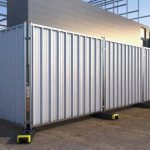
Outdoor hoardings remain one of the most powerful out-of-home (OOH) advertising tools. However, behind every high-impact billboard lies a well-engineered manufacturing and installation process. How hoarding structures are manufactured is a question many advertisers, media owners, and real estate developers often ask. Understanding this process helps brands ensure safety, durability, and long-term visibility.
This article explains the complete journey of hoarding structure manufacturing—from concept and design to final installation—while highlighting industry best practices.
Understanding Hoarding Structures in Outdoor Advertising
Hoarding structures are engineered frameworks designed to support large-format advertising displays. Typically, they are fabricated using steel and installed at strategic high-visibility locations. Moreover, these structures must withstand wind loads, weather conditions, and long-term exposure.
Therefore, professional planning and precise execution become essential at every stage.
Design & Engineering of Hoarding Structures
The manufacturing process begins with design and structural engineering. First, engineers assess the site location, traffic movement, viewing angles, and height requirements. At the same time, wind speed data and soil conditions are studied carefully.
Next, structural drawings are created using CAD and structural analysis software. These designs define:
-
Pole diameter and thickness
-
Frame size and load-bearing capacity
-
Foundation depth and anchoring system
As a result, the final design ensures compliance with local municipal and safety norms while maximizing brand visibility.
Material Selection for Hoarding Structure Manufacturing
Choosing the right materials plays a critical role in durability. Generally, mild steel (MS) pipes and angles are used due to their strength and flexibility. In coastal or high-humidity regions, galvanized steel is often preferred to prevent corrosion.
Additionally, high-grade bolts, nuts, and welding electrodes are selected to ensure long-term structural integrity. Consequently, material quality directly impacts the lifespan of the hoarding.
Fabrication Process of Hoarding Structures
Once the design is approved, fabrication begins at a manufacturing yard. First, steel pipes and angles are cut according to specifications. After that, welding teams assemble the pole, ladder, frame, and support members.
During fabrication:
-
Weld joints are inspected thoroughly
-
Anti-rust primers are applied
-
Structural alignment is checked repeatedly
Furthermore, multiple coats of weather-resistant paint are applied to protect the structure. This step ensures the hoarding remains stable and visually clean for years.
Foundation & Civil Work Preparation
Parallel to fabrication, foundation work starts at the site. Excavation is carried out based on soil test recommendations. Then, reinforced concrete (RCC) footing is constructed to support the entire load.
Anchor bolts or base plates are embedded precisely. As a result, the hoarding structure gains a strong and balanced base that can handle wind pressure and vibrations from nearby traffic.
Transportation & On-Site Installation
After fabrication, the hoarding structure components are transported carefully to the site. Cranes, hydras, and lifting equipment are arranged based on structure size.
During installation:
-
Poles are erected and aligned vertically
-
Frames are mounted securely
-
Final tightening and load checks are conducted
Meanwhile, safety barricades and traffic control measures are maintained. This ensures both worker safety and smooth installation.
Mounting of Advertising Display
Once the structure is installed, the advertising display is mounted. Flex banners, vinyl prints, or LED panels are fixed using clamps or tension systems. Additionally, illumination fixtures are installed if required.
Finally, a quality inspection is conducted to verify visibility, alignment, and lighting effectiveness.
Why Quality Manufacturing Matters in Hoarding Structures
A professionally manufactured hoarding structure ensures:
-
Enhanced brand visibility
-
Reduced maintenance costs
-
Compliance with legal and safety standards
-
Longer operational life
Therefore, advertisers should always partner with experienced hoarding structure manufacturers who follow engineering-driven processes.
Conclusion
Understanding how hoarding structures are manufactured helps advertisers make informed decisions. From design and material selection to fabrication and installation, every step contributes to performance and safety. When executed correctly, hoarding structures become reliable, high-impact advertising assets that deliver consistent brand recall.