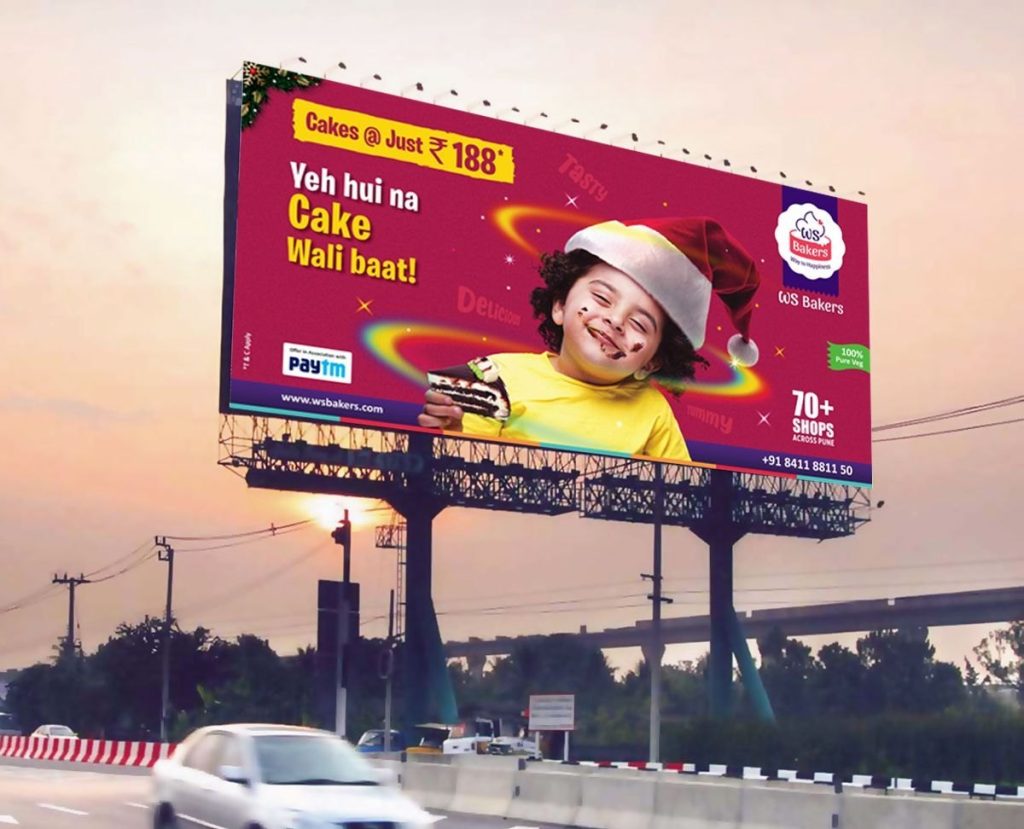

Over the past two decades, dealer board advertising in India has undergone a remarkable transformation. What once began as simple painted signboards and flex banners has now evolved into dynamic, illuminated, and even digital displays. This shift reflects not only technological advancement but also India’s changing consumer behavior, regional design preferences, and growing demand for sustainable branding solutions.
From small-town retail shops to high-end automobile showrooms, dealer boards remain a critical element of brand visibility. However, the journey from flex to digital dealer boards reveals how regional markets and modern innovations have reshaped outdoor branding across Indian states.
Early Days: The Era of Painted and Flex Dealer Boards
In the early 1990s and 2000s, hand-painted and flex dealer boards dominated Indian retail landscapes. These boards were cost-effective, easy to produce, and widely adopted by FMCG, telecom, and two-wheeler brands to establish their rural and semi-urban presence.
Flex boards became especially popular for several reasons:
-
Affordability: Ideal for mass-scale branding campaigns.
-
Ease of customization: Simple to print with local contact details or store names.
-
Quick turnaround: Local printers and fabricators could deliver within days.
However, the drawbacks of flex — such as fading colors, limited durability, and non-recyclable waste — soon prompted brands to explore better, long-lasting alternatives.
Transition to ACP and Acrylic Dealer Boards
As Indian retail markets matured, brands started emphasizing premium presentation and longevity. This led to the rise of ACP (Aluminium Composite Panel) and acrylic dealer boards across major cities like Mumbai, Bengaluru, and Delhi.
ACP and acrylic boards offered several advantages:
-
Enhanced durability against heat, moisture, and wind.
-
Professional appearance that suited branded outlets and dealerships.
-
Support for backlighting and 3D lettering, improving visibility day and night.
In states like Gujarat, Maharashtra, and Tamil Nadu, ACP and acrylic boards quickly became the norm, reflecting a growing preference for sleek, modern retail aesthetics.
The LED Revolution: Illumination Meets Innovation
The next big leap came with the introduction of LED dealer boards. These illuminated signages transformed nighttime visibility and brand recall, especially in high-traffic urban zones.
Why LED boards became popular:
-
24/7 visibility: Ensures continuous brand exposure.
-
Energy efficiency: Consumes less power than traditional lighting.
-
Custom lighting effects: Adds motion and glow, making brands stand out.
-
Premium branding feel: Perfect for automobile, electronics, and lifestyle sectors.
Cities like Hyderabad, Pune, and Kochi saw rapid adoption of LED signage as businesses recognized the importance of visual impact in competitive markets.
The Rise of Digital Dealer Boards
Today, digital dealer boards represent the future of outdoor branding in India. With the integration of digital screens, LED panels, and IoT-enabled systems, brands can now update content in real-time, display dynamic visuals, and run region-specific campaigns.
Advantages of digital dealer boards include:
-
Dynamic advertising: Enables animation, video content, and seasonal updates.
-
Centralized control: Brands can manage signage content across hundreds of locations remotely.
-
Higher engagement: Moving visuals attract more attention than static displays.
-
Sustainability: Reduces need for repeated printing and material waste.
Digital dealer boards are rapidly emerging in metro cities like Delhi, Bengaluru, and Chennai, as well as tier-2 markets such as Indore, Lucknow, and Surat, signaling a new era of localized yet high-tech branding.
Regional Adaptation: How Indian States Differ in Dealer Board Evolution
The evolution of dealer board advertising hasn’t been uniform across India. Each region’s economic development, infrastructure, and consumer behavior have shaped its pace of adoption.
-
Northern States (Uttar Pradesh, Punjab, Haryana): Continue to balance flex affordability with modern LED upgrades.
-
Western States (Maharashtra, Gujarat): Lead in ACP, acrylic, and digital signage adoption for premium retail stores.
-
Southern States (Tamil Nadu, Karnataka, Kerala): Favor minimalist, bilingual, and tech-integrated designs.
-
Eastern States (Bihar, West Bengal, Odisha): Gradually shifting from flex to ACP and hybrid illuminated options due to cost sensitivity.
This regional diversity highlights how India’s local economies influence the evolution of dealer board styles and materials.
Sustainability and the Future of Dealer Board Advertising
As environmental awareness grows, brands are increasingly investing in eco-friendly and digital dealer board solutions. Recyclable ACP sheets, fabric-based flex alternatives, and solar-powered LED systems are replacing traditional signage materials.
Moreover, the integration of smart sensors and cloud-based monitoring allows brands to optimize lighting, reduce power consumption, and track signage performance in real time — paving the way for data-driven outdoor marketing.
Conclusion
The journey from flex to digital dealer board advertising across Indian states reflects India’s evolution from traditional marketing methods to technology-driven, sustainable solutions. What began as a basic retail identification tool has now become a strategic brand asset capable of blending design, innovation, and local culture.
As brands continue to modernize and regional markets mature, digital and eco-friendly dealer boards will define the future of Indian outdoor advertising — brighter, smarter, and more sustainable than ever before.