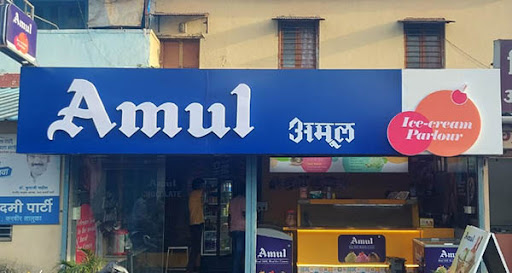

Dealer boards and in-shop signage play a crucial role in shaping customer perception. They influence brand recall, purchase decisions, and overall store experience. Although businesses invest heavily in visual branding, many still make avoidable mistakes that reduce the impact of their signage. Understanding these common errors helps brands create sharper, more effective communication. Moreover, avoiding such mistakes ensures consistency across dealer networks and retail stores.
1. Cluttered Designs That Reduce Readability
One of the most frequent mistakes in dealer board and in-shop signage is overcrowding the space with too many elements. When a design includes unnecessary text, multiple fonts, or oversized logos, customers struggle to absorb the message. A clean layout improves clarity and makes the brand message more memorable. Additionally, white space enhances visual comfort and guides the viewer’s eyes naturally.
2. Poor Material Selection
Choosing the wrong material leads to fading, warping, and a shorter lifespan. Many brands opt for cheaper substrates without considering weather conditions or store formats. ACP, acrylic, LED modules, and vinyl each serve a specific purpose. Therefore, businesses should match materials to the environment to ensure durability and consistent brand presentation.
3. Incorrect Sizing and Improper Placement
A dealer board must be visible from a distance to attract attention. However, incorrect sizing often restricts visibility. On the other hand, poorly positioned signage fails to capture customer interest even if the design is strong. Placing boards at obstructed angles or behind structural elements minimizes impact. Strategic placement delivers better footfall conversion and brand recognition.
4. Inconsistent Branding and Color Usage
Brands lose credibility when signage displays mismatched colors, outdated logos, or incorrect proportions. Inconsistency disrupts brand identity and reduces trust. Following brand guidelines ensures that every dealer board and in-shop sign reflects the same visual language. Additionally, color calibration during printing prevents tonal variations across outlets.
5. Lack of Illumination and Low-Light Visibility
Lighting plays a critical role in dealer boards, yet many businesses overlook this factor. Insufficient illumination weakens nighttime visibility and reduces brand impact. LED lighting, backlit panels, and glow signboards offer affordable solutions for better visibility. Furthermore, energy-efficient lighting systems provide long-term cost benefits.
6. Ignoring Local Regulations and Permissions
Every city has signboard size limits, brightness restrictions, and installation rules. Brands that neglect compliance risk penalties and forced removal. Understanding local municipal regulations prevents legal interruptions and ensures smooth installation. This also safeguards retailers from unexpected expenses.
7. Using Outdated Content or Designs
In-shop signage that displays old offers or expired promotions creates confusion. It also makes the store appear neglected. Timely updates help maintain freshness and customer engagement. Updated creatives also align with seasonal campaigns and product launches.
8. Overlooking Customer Viewing Patterns
Effective signage considers how customers move and where they look. Ignoring viewing patterns reduces engagement. Positioning key messages at eye level and using directional cues improves customer flow. This enhances the store experience and increases purchase intent.
9. Missing Multilingual or Regional Adaptation
India’s diverse markets require language-sensitive communication. Brands that skip regional language adaptations lose connection with large customer segments. Adding multilingual text builds trust and increases clarity for local audiences.