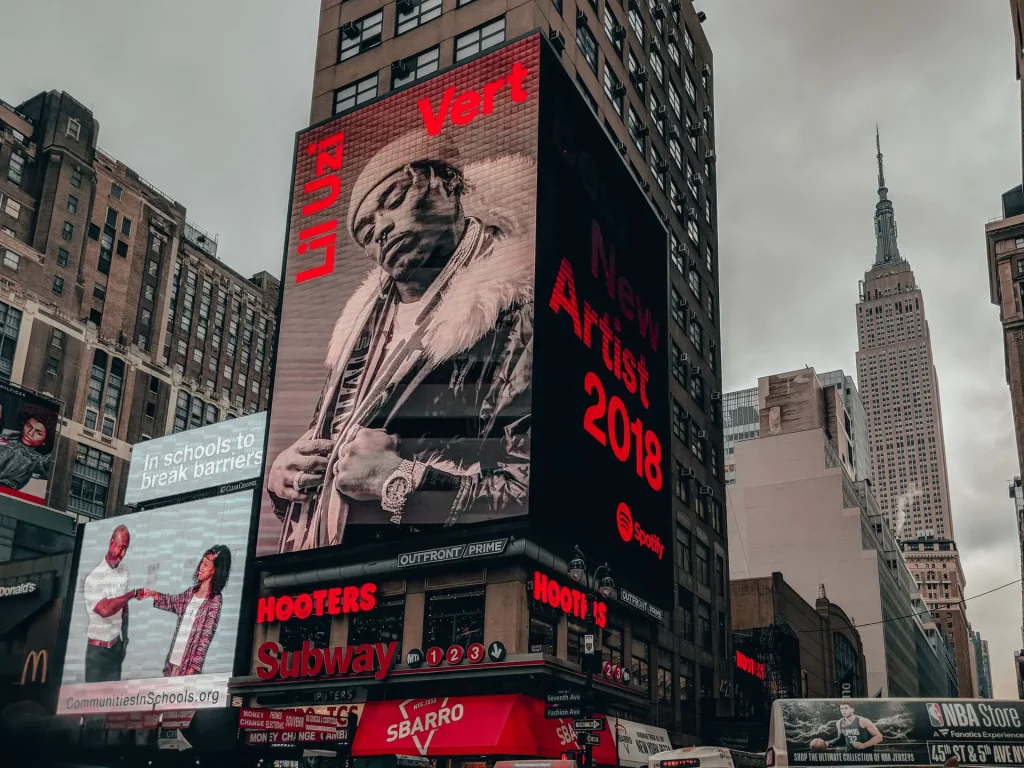

A Pan-India signage rollout campaign requires strategic planning, accurate timelines, and strong coordination across multiple cities. Brands depend on consistent and high-quality visibility to build trust at every touchpoint. The challenge increases when installations spread across diverse markets, varied municipal regulations, and different dealer environments. A structured checklist helps brands stay organised, prevent delays, and maintain uniformity nationwide. This approach ensures that every outlet, dealership, or retail touchpoint aligns with brand expectations.
1. Conduct a Detailed Site Audit
A site audit forms the foundation of any Pan-India signage rollout campaign. Teams must evaluate façade conditions, available mounting space, electrical access, and safety constraints. Each site may differ, so audits help avoid installation issues later. Accurate measurements, photographs, and structural checks prevent redesigns and extra costs.
2. Finalise Standardised Brand Guidelines
Clear guidelines create visual consistency across regions. Brands should define colours, fonts, illumination types, material thickness, and placement rules. Standardisation ensures that signboards in Mumbai look identical to those in Guwahati. It also simplifies vendor production and reduces approval times.
3. Choose the Right Materials for Different Climates
India’s climate varies drastically from state to state. Material selection must consider humidity, heat, rainfall, and coastal impact. ACP sheets, aluminium frames, polycarbonate letters, and weather-resistant LEDs offer durability. Using uniform materials ensures long-term brand integrity.
4. Obtain Local Permissions and Regulatory Approvals
Municipal permissions differ across cities. Some require trade license verification, while others need structural stability certificates. Obtaining approvals early avoids delays in major metros such as Delhi, Mumbai, Bengaluru, Chennai, and Hyderabad. Compliance protects brands from penalties and signboard removals.
5. Establish a Strong Production and Quality Control Process
Production must follow strict quality checks before dispatch. Brands should verify colour accuracy, LED brightness, edge finishing, and durability. Independent QC teams can inspect batches to ensure every unit matches the brand’s expectations. Consistency across thousands of boards builds credibility.
6. Plan Logistics and State-Wise Distribution
Efficient logistics reduce project delays. Brands must sequence shipments based on installation timelines, regional priority, or dealer readiness. Proper packaging safeguards fragile components during transport. Coordination with regional installers helps streamline workflows.
7. Use Certified Installation Vendors
Certified installers understand structural safety, electrical connections, and wind-load requirements. A trained team reduces risks and ensures compliance with local guidelines. Post-installation checks guarantee stability and illumination quality.
8. Maintain a Central Tracking Dashboard
A tracking system improves visibility and prevents miscommunication. Brands should monitor site audits, production stages, dispatch details, installation dates, and status reports. A central dashboard strengthens accountability across vendors and cities.
9. Conduct Post-Installation Verification
Verification ensures every signboard meets brand and safety standards. Teams must check alignment, illumination, finish, and branding accuracy. Digital photographs and GPS tagging help maintain documentation for future audits.
10. Plan Scheduled Maintenance
Maintenance enhances longevity and performance. LED modules, power supplies, and acrylic surfaces require periodic inspection. Regular servicing prevents downtime and protects the brand’s presence across the country.
Conclusion
Executing a Pan-India signage rollout campaign becomes smoother with a structured checklist. Brands achieve better consistency, stronger visibility, and operational efficiency when each phase is planned with precision. A disciplined approach ensures that every outlet reflects the brand’s identity and delivers a unified experience nationwide.