
Outdoor advertising has always relied on scale, location, and repetition. However, the future of outdoor storytelling is no longer flat or passive. Instead, anamorphic 3D displays are transforming how brands communicate in public spaces by turning billboards into immersive, eye-catching experiences. As attention spans shrink and urban audiences become visually sophisticated, brands are actively seeking formats that stop people mid-scroll—even in the physical world.
This is where anamorphic 3D displays redefine outdoor media.
Understanding Anamorphic 3D Displays in Outdoor Advertising
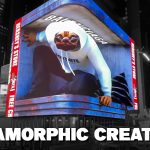
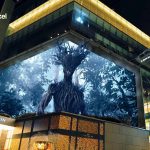
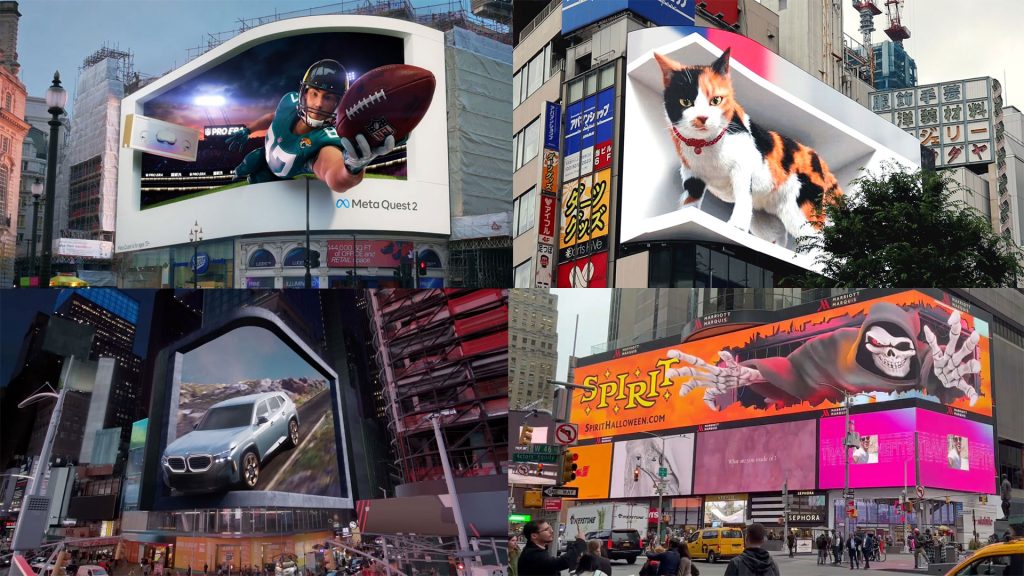
Anamorphic 3D displays use carefully calculated visual distortions on large LED screens to create the illusion of depth when viewed from a specific angle. As a result, objects appear to pop out of the screen, float in mid-air, or move toward the viewer. Unlike AR or VR, this format requires no device, app, or headset. Instead, the experience is immediate, shared, and public.
Because of this simplicity, brands are increasingly using anamorphic 3D billboards in high-footfall zones such as traffic junctions, commercial hubs, malls, airports, and metro corridors. Moreover, the illusion works best in urban canyons where buildings naturally frame the display, amplifying realism.
Why Anamorphic 3D Is the Future of Outdoor Storytelling
1. It Turns Advertising into Entertainment
Traditional billboards are seen; anamorphic 3D displays are experienced. Since humans are naturally drawn to movement and depth, these displays command attention instantly. Consequently, passersby often stop, film, and share the visuals on social media, extending the campaign’s reach organically.
2. It Creates Emotional Brand Recall
Storytelling becomes more powerful when it feels real. With anamorphic 3D, brands can show products breaking through walls, characters interacting with the cityscape, or narratives unfolding in seconds. Therefore, audiences remember not just the visual, but also the brand behind it.
3. It Bridges Physical and Digital Virality
While anamorphic 3D is an outdoor medium, its true multiplier effect lies online. Because the visuals are highly shareable, campaigns often trend on Instagram Reels, YouTube Shorts, and X. As a result, one physical installation can deliver millions of digital impressions without additional media spend.
How Brands Are Using Anamorphic 3D Displays
Product Launches and Reveals
Brands increasingly use anamorphic 3D displays to launch new products with cinematic flair. For example, a sneaker appearing to leap out of a building or a smartphone unfolding in 3D instantly signals innovation.
Brand Repositioning Campaigns
When brands want to shift perception—from traditional to modern, or local to global—anamorphic 3D storytelling delivers that message visually. Since perception changes faster through visuals than words, the impact is immediate.
Festival and Event Domination
During festive seasons, sports tournaments, or city-wide events, anamorphic 3D billboards help brands dominate attention. Moreover, limited-time displays create urgency and exclusivity.
Strategic Advantages Over Traditional Outdoor Formats
Although anamorphic 3D displays may have higher production costs, their ROI often surpasses traditional hoardings. Firstly, they generate higher dwell time. Secondly, they reduce creative clutter by standing out naturally. Thirdly, they convert viewers into brand amplifiers through social sharing.
Additionally, brands can refresh creatives dynamically without replacing physical structures. This flexibility allows storytelling to evolve over days or weeks, keeping the audience engaged longer.
The Role of Technology and Creative Precision
Successful anamorphic 3D storytelling depends equally on technology and creative execution. Screen resolution, viewing angle, ambient light, and urban architecture must align perfectly. Similarly, content must be designed specifically for anamorphic perspective; repurposed 2D creatives simply do not work.
Therefore, brands are increasingly collaborating with specialized DOOH and 3D content studios that understand spatial storytelling rather than static design.
What the Future Holds for Anamorphic 3D Outdoor Advertising
Looking ahead, anamorphic 3D displays will become more interactive, contextual, and data-driven. With AI-generated visuals, real-time triggers, and programmatic DOOH integration, outdoor storytelling will adapt dynamically to time, weather, audience density, and even live events.
As cities become smarter and screens become sharper, the boundary between reality and advertising will blur further. Ultimately, brands that adopt anamorphic 3D early will position themselves as innovators rather than followers.
Conclusion: A New Era of Immersive Brand Experiences
The future of outdoor storytelling lies in experiences that feel alive. Anamorphic 3D displays do exactly that by transforming public spaces into immersive brand theatres. Instead of shouting messages, brands now invite audiences into visual stories that captivate, surprise, and inspire.
As outdoor media continues to evolve, anamorphic 3D is no longer an experiment—it is becoming the benchmark for high-impact brand experiences.