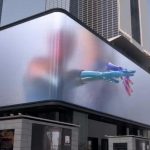
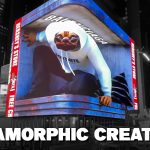
Anamorphic 3D content has emerged as one of the most premium and high-impact formats in outdoor advertising. While its visual power is evident, brands often underestimate the cost, timelines, and technical planning required to execute anamorphic campaigns successfully. Unlike standard DOOH creatives, anamorphic content demands a tightly coordinated process between creative, technology, media, and on-ground execution teams.
This article breaks down the cost structure, realistic timelines, and technical planning essentials for anamorphic content creation campaigns, helping brands plan smarter and avoid execution risks.
Why Anamorphic Campaign Planning Is More Complex
Anamorphic content is not plug-and-play. Each execution is custom-built for a specific screen, city, and viewing angle. Therefore, planning must begin much earlier than traditional DOOH campaigns.
Because illusion accuracy depends on physical screen architecture, even minor miscalculations can reduce impact. As a result, successful campaigns prioritise planning before production.
Understanding the Cost Components of Anamorphic Campaigns
Creative and 3D Content Production Costs
The largest cost component lies in custom 3D content creation. This includes:
-
Perspective mapping and camera locking
-
3D modelling and animation
-
Lighting, texture, and depth calibration
Since content is screen-specific, costs increase with the number of locations. However, modular storytelling can reduce incremental expenses when planned early.
Technical and Engineering Costs
Technical planning includes:
-
Screen feasibility analysis
-
Resolution and pixel pitch optimisation
-
Playback compatibility checks
In some cases, minor hardware adjustments or calibration support may be required. These technical layers ensure the illusion performs as designed in real-world conditions.
Media and Screen Rental Costs
Premium anamorphic-friendly screens often command higher media rates due to their size, location, and architectural advantage. Landmark junctions, corners, and facade screens fall into this category.
While media costs are similar to high-end DOOH, the attention efficiency of anamorphic displays often justifies the premium.
Testing and On-Site Calibration Costs
Live testing and calibration are non-negotiable. These sessions involve:
-
Brightness and contrast adjustment
-
Depth exaggeration fine-tuning
-
Edge alignment correction
Although this adds to cost, it protects the investment by ensuring illusion success.
Typical Timelines for Anamorphic Content Creation
Pre-Production and Planning (1–2 Weeks)
This phase includes:
-
Screen architecture analysis
-
Viewing angle mapping
-
Creative feasibility checks
Early approvals here prevent costly revisions later.
Content Production and Animation (3–5 Weeks)
During this phase, teams build the anamorphic illusion from scratch. Multiple internal reviews are conducted to validate depth, motion, and realism.
Complex narratives or photorealistic assets may extend timelines slightly.
Testing, Calibration, and Go-Live (1 Week)
Once content is deployed, real-world testing begins. Minor refinements are made before final rollout.
In total, most anamorphic campaigns require 5–8 weeks from concept to launch.
Technical Planning Essentials Brands Must Not Ignore
Screen Architecture Compatibility
Not all screens support strong anamorphic illusions. Corner screens, wide facades, and predictable viewing angles perform best.
Therefore, screen selection should precede creative ideation.
Resolution, Aspect Ratio, and Playback Specs
Content must match native screen resolution exactly. Any scaling or compression can break perspective accuracy.
Playback systems should support high-bitrate files to preserve visual fidelity.
Viewing Distance and Audience Flow
Depth intensity must be calibrated based on how far audiences stand from the screen. Traffic-heavy junctions require faster visual payoff, while pedestrian zones allow slower storytelling.
Ambient Light and Environmental Factors
Sunlight direction, reflections, and surrounding buildings influence contrast and visibility. Technical planning must account for these factors to maintain illusion clarity throughout the day.
Budget Optimisation Strategies for Brands
Brands can manage costs effectively by:
-
Using modular content frameworks
-
Limiting anamorphic executions to flagship locations
-
Reusing 3D assets while recalibrating perspective
-
Aligning production timelines with media availability
Strategic planning reduces wastage without compromising impact.
Why Rushed Anamorphic Campaigns Often Fail
Short timelines force teams to compromise on testing, calibration, and perspective accuracy. As a result, illusions appear flat or distorted.
Unlike standard DOOH, anamorphic advertising does not reward speed. It rewards preparation.
The Long-Term Value of Proper Planning
Well-executed anamorphic campaigns deliver:
-
Higher attention and dwell time
-
Stronger recall and brand perception
-
Organic social amplification
-
Better justification of premium media spends
Therefore, upfront planning often reduces overall cost-per-impact.
Conclusion: Planning Is the Real Creative Advantage
In anamorphic advertising, creativity alone is not enough. Cost control, realistic timelines, and technical precision determine success.
Brands that treat anamorphic content as a strategic production, rather than a quick creative add-on, consistently achieve superior outcomes. With the right planning framework, anamorphic campaigns transform from high-risk experiments into high-return brand investments.