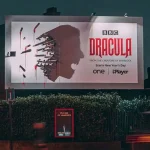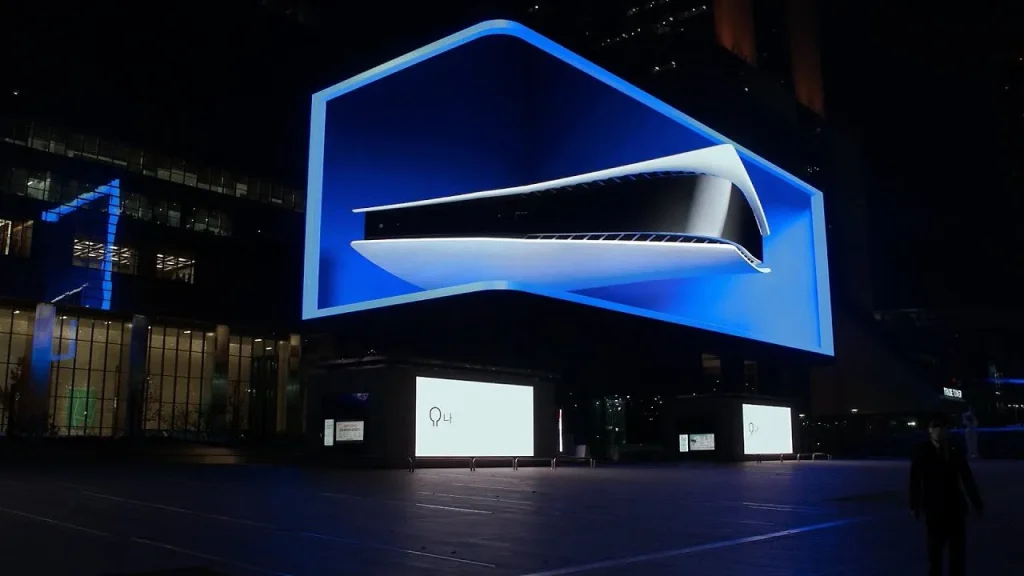

3D anamorphic illusion displays have transformed outdoor advertising by turning ordinary LED screens into immersive visual experiences. While creative content often receives the spotlight, the real foundation of a successful anamorphic illusion lies in screen architecture. Without the right screen structure, even the most advanced 3D content fails to deliver impact.
In this article, we explore the role of screen architecture in successful 3D anamorphic illusion displays and explain why physical design is just as important as creative execution.
Why Screen Architecture Matters in Anamorphic Displays
Anamorphic illusions rely on perspective manipulation. Unlike standard DOOH screens that display content flatly, anamorphic displays depend on how the screen exists in physical space. Therefore, the shape, orientation, and placement of the screen directly influence how the illusion is perceived.
If the screen architecture does not support perspective depth, the illusion appears distorted or flat. As a result, screen design becomes the starting point of the entire anamorphic process.
Corner Screens: The Backbone of Anamorphic Illusions
One of the most effective architectural formats for anamorphic displays is the corner LED screen. These screens wrap around building edges, creating two visible planes that meet at a right angle.
Because the human brain naturally interprets corners as three-dimensional space, corner screens enhance depth perception dramatically. Consequently, objects can appear to extend outward, wrap around edges, or float in mid-air.
Flat single-plane screens can still support anamorphic content, but corner architecture significantly strengthens realism and visual impact.
Screen Orientation and Viewing Angle Alignment
Screen architecture must align with dominant pedestrian and traffic viewing angles. If viewers approach the screen from inconsistent directions, the illusion weakens.
Therefore, successful anamorphic installations are typically placed where:
-
Viewers approach from a predictable direction
-
Sightlines remain unobstructed
-
Viewing distance allows depth perception
When screen orientation matches audience flow, the illusion feels natural rather than forced.
Aspect Ratio and Screen Proportions
The width-to-height ratio of a screen plays a critical role in illusion design. Ultra-wide screens allow more horizontal depth, while taller screens support vertical illusion effects.
Balanced proportions give creative teams flexibility to design foreground, mid-ground, and background layers. In contrast, poorly proportioned screens restrict depth planning and limit illusion complexity.
Thus, screen architecture must be evaluated not only for size, but also for proportion.
Resolution, Pixel Pitch, and Illusion Clarity
High-resolution LED panels with optimal pixel pitch are essential for anamorphic success. Since illusions depend on fine perspective detail, pixelation can break realism instantly.
When viewers see sharp edges, smooth gradients, and clean shadows, the brain accepts the illusion more readily. As a result, premium screens with tighter pixel pitch consistently deliver stronger anamorphic performance.
Screen architecture that prioritises resolution ensures the illusion holds up even at close viewing distances.
Integration with Building Facades
The most effective anamorphic displays feel integrated into the surrounding architecture. Screens that align with building lines, structural edges, and urban geometry enhance realism.
For example, when content appears to interact with walls, windows, or corners, the illusion feels embedded in the city itself. Therefore, screens designed as part of the facade outperform add-on installations.
This architectural integration also improves visual harmony rather than creating visual clutter.
Structural Depth and Bezel Management
Physical depth behind the LED panels also matters. Structural depth allows better ventilation, brightness consistency, and panel alignment. Additionally, minimal bezels ensure seamless visuals across screen planes.
Visible breaks or misalignments disrupt perspective continuity. Consequently, well-engineered screen structures play a vital role in maintaining illusion integrity.
Lighting Conditions and Screen Placement
Screen architecture must account for ambient light conditions. Direct sunlight, reflections, or shadow patterns can reduce contrast and weaken illusion depth.
Therefore, placement decisions such as elevation, tilt, and angle help control visibility throughout the day. Screens positioned with lighting in mind maintain consistent illusion quality from morning to night.
Why Architecture Dictates Creative Possibilities
Anamorphic creativity is not limitless; it is shaped by physical constraints. Screen architecture determines:
-
How far objects can appear to pop out
-
Where depth transitions can occur
-
How motion flows across planes
When architecture supports illusion design, creativity expands. When it restricts perspective, even strong ideas lose effectiveness.
Thus, successful anamorphic projects begin with architectural feasibility before creative execution.
The Future of Screen Architecture in Anamorphic DOOH
As cities evolve, screen architecture will become more sophisticated. Curved facades, modular LED structures, and multi-plane installations will enable even more advanced illusions.
In the future, architecture and content will be designed together rather than separately. This integrated approach will define the next generation of immersive outdoor advertising.
Conclusion: Architecture Is the Illusion’s Foundation
While content brings anamorphic displays to life, screen architecture makes the illusion possible. From corner placement to resolution, orientation, and facade integration, every architectural decision directly impacts perception.
In 3D anamorphic illusion displays, success is not built on screens alone. It is built on how those screens exist in the real world.