
3D anamorphic billboard advertising is not just a creative upgrade of traditional OOH—it is a fundamentally different communication tool. Because it relies on visual drama, forced perspective, and immersive storytelling, its effectiveness varies by industry. In India’s fast-evolving outdoor media ecosystem, certain sectors gain disproportionate value from this format. Therefore, understanding which industries benefit the most helps brands invest strategically rather than experimentally.
Automobile Industry: Turning Motion into a Visual Experience
The automobile sector is one of the biggest beneficiaries of 3D anamorphic billboards. Cars, bikes, and SUVs naturally lend themselves to motion, scale, and depth. Using anamorphic visuals, vehicles can appear to drive out of the screen, rotate mid-air, or dominate the cityscape. As a result, brands communicate power, design, and innovation instantly. Moreover, automobile launches rely heavily on visual impact, making 3D billboards ideal for urban India’s premium road networks.
Consumer Electronics and Gadgets: Feature Storytelling Without Words
Smartphones, wearables, televisions, and gaming consoles benefit immensely from anamorphic advertising. Instead of listing specifications, brands visually demonstrate features such as screen clarity, camera depth, or performance speed. Consequently, consumers understand product benefits within seconds. In a multilingual country like India, this visual-first communication removes language barriers and boosts recall across diverse audiences.
OTT Platforms, Films, and Entertainment Brands
Entertainment is inherently visual, which makes OTT platforms, movie studios, and gaming brands perfect candidates for 3D anamorphic billboards. Larger-than-life characters, dramatic scenes, and immersive worlds translate seamlessly into forced perspective visuals. Additionally, these billboards often go viral on social media, amplifying buzz before releases. Therefore, entertainment brands gain both street-level attention and digital traction from a single execution.
FMCG and Packaged Goods: Standing Out in a Cluttered Market
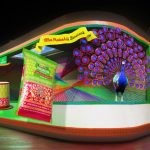
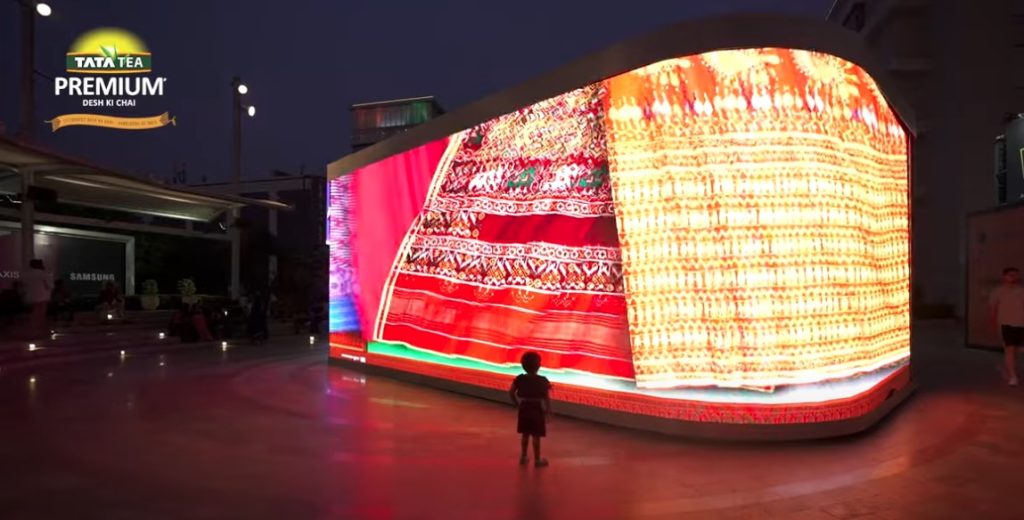
Fast-moving consumer goods operate in one of the most competitive advertising environments. Traditional hoardings often struggle to differentiate soap, snacks, or beverages. However, 3D anamorphic billboards allow FMCG brands to exaggerate packaging, ingredients, or consumption moments. As a result, everyday products become visually extraordinary, improving brand recall even in short exposure windows.
Fashion, Luxury, and Lifestyle Brands
Fashion and luxury brands thrive on aspiration and visual appeal. Anamorphic 3D billboards enable them to showcase scale, texture, and elegance in ways static formats cannot. Oversized accessories, floating apparel, or dynamic runway-style visuals elevate brand perception. Consequently, these brands appear modern, bold, and premium—qualities that strongly influence urban Indian consumers.
Real Estate and Infrastructure Developers
Real estate advertising traditionally relies on print, brochures, and static outdoor formats. However, premium residential and commercial projects benefit greatly from 3D anamorphic visuals. Developers can showcase building scale, lifestyle elements, and architectural grandeur dynamically. Therefore, high-value projects targeting affluent buyers gain credibility and attention through immersive outdoor storytelling.
Gaming, Esports, and Youth-Centric Brands
Youth-focused brands demand formats that feel interactive and share-worthy. Gaming and esports brands, in particular, use anamorphic billboards to simulate virtual worlds entering real cities. This crossover between digital and physical spaces resonates strongly with Gen Z audiences. Moreover, these visuals naturally encourage user-generated content, which extends campaign life beyond paid media.
BFSI and FinTech: Building Trust Through Innovation
Although finance is traditionally conservative, modern BFSI and fintech brands are increasingly using innovative formats to signal trust and progress. Anamorphic billboards help simplify abstract concepts like growth, security, and speed through visual metaphors. As a result, brands appear technologically advanced and consumer-friendly without relying on complex messaging.
E-commerce and D2C Brands
E-commerce and D2C brands operate in a highly digital-first environment. Anamorphic billboards help them bridge online familiarity with offline presence. Products popping out of screens or interacting with cityscapes reinforce digital dominance in the physical world. Consequently, these brands strengthen omnichannel recall and legitimacy.
Education, EdTech, and Skill Platforms
EdTech platforms benefit from attention-led formats during admission seasons and exam cycles. 3D billboards allow them to visualise success, growth, and transformation stories effectively. This emotional storytelling resonates strongly with students and parents alike, improving trust and memorability in crowded education markets.
Why These Industries Perform Better with 3D Anamorphic Billboards
Industries that benefit most from anamorphic advertising share common traits. Firstly, they rely on visual storytelling rather than text-heavy communication. Secondly, they operate in competitive environments where differentiation is critical. Finally, they target urban, digitally active audiences who appreciate novelty. Therefore, anamorphic billboards work best where attention, aspiration, and innovation intersect.
Conclusion: Matching Industry Objectives with Format Strength
3D anamorphic billboard advertising is not a one-size-fits-all solution. However, for industries driven by launches, visual impact, and brand perception, it delivers unmatched value. In India’s premium urban markets, automobiles, electronics, entertainment, FMCG, fashion, real estate, and digital-first brands stand to gain the most. As DOOH infrastructure expands, industry adoption will only accelerate, making anamorphic advertising a strategic tool rather than a creative experiment.