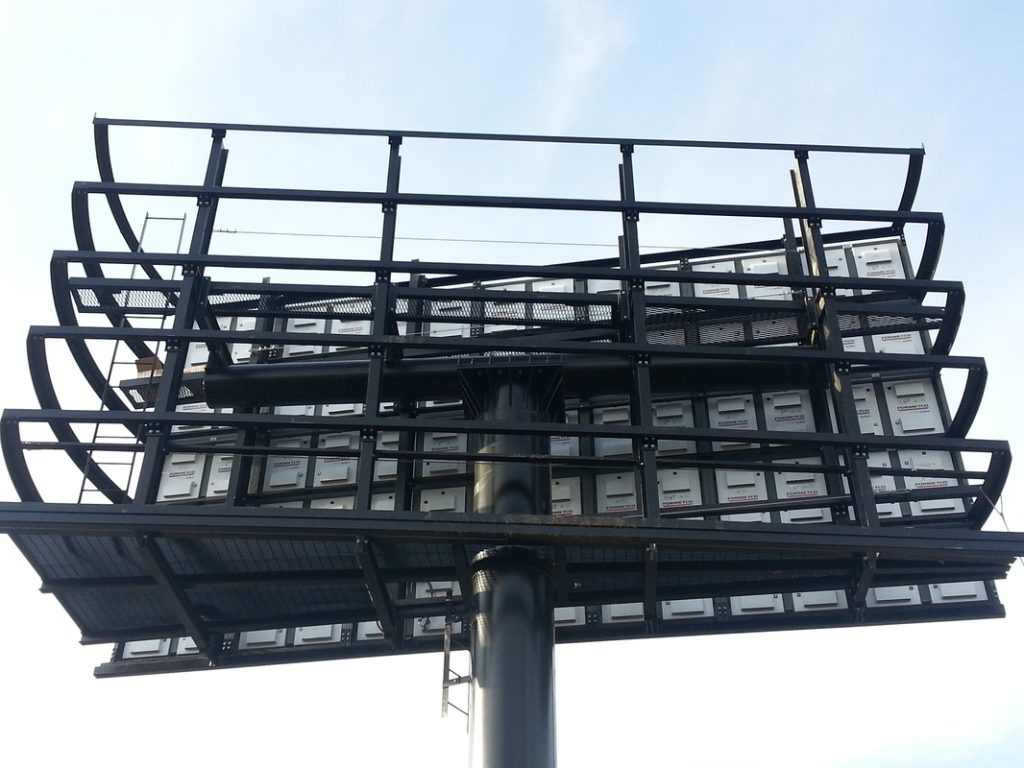

For media owners, hoardings are not just advertising assets. Instead, they are long-term revenue-generating infrastructure. Therefore, selecting the right hoarding fabrication partner is a critical decision. The quality of fabrication directly affects safety, durability, regulatory approvals, and campaign continuity. Hence, understanding hoarding fabrication services: what media owners should look for before finalizing a vendor becomes essential.
This article outlines the key parameters media owners must evaluate to ensure reliable fabrication, reduced risk, and consistent operational performance.
Why Choosing the Right Hoarding Fabrication Services Matters
Hoardings operate in challenging outdoor conditions. They face wind pressure, heavy rainfall, heat, dust, and constant vibration from traffic. As a result, fabrication quality determines whether the structure remains safe or becomes a liability.
Moreover, poorly fabricated hoardings increase maintenance costs and risk of shutdowns. Consequently, media owners must evaluate vendors beyond pricing alone.
Experience and Proven Fabrication Expertise
Track Record in Hoarding Fabrication Services
Before finalizing a vendor, media owners should assess their experience in hoarding fabrication services. Vendors with a strong portfolio understand load requirements, installation challenges, and local compliance norms.
Additionally, experienced fabricators anticipate site-specific challenges. Therefore, they reduce execution delays and structural errors.
Key checks include:
-
Number of years in hoarding fabrication
-
Types of structures fabricated (unipoles, gantries, billboards)
-
Experience with highway and urban installations
Structural Engineering and Design Capability
Importance of Engineering-Backed Fabrication
Reliable hoarding fabrication services always integrate structural engineering into their process. Vendors should provide load calculations, wind analysis, and foundation drawings.
As a result, fabricated structures meet safety standards and withstand environmental stress. Moreover, engineering-backed designs simplify approvals from authorities.
Media owners should confirm whether the vendor:
-
Works with certified structural engineers
-
Provides design drawings and calculations
-
Follows standard safety codes
Quality of Materials Used in Fabrication
Material Standards Define Longevity
Material selection plays a major role in hoarding durability. Vendors should clearly specify materials such as structural steel, galvanized iron, or aluminum.
Furthermore, protective treatments like galvanization, anti-rust primers, and weather-resistant paints are equally important. Consequently, material transparency reflects vendor professionalism.
Media owners must ask:
-
What grade of steel is used?
-
Is galvanization or coating included?
-
What is the expected lifespan of materials?
Fabrication Infrastructure and Workshop Capability
In-House Facilities vs Outsourced Fabrication
Vendors with in-house fabrication workshops offer better quality control. They manage cutting, welding, painting, and finishing under one roof.
As a result, timelines remain predictable and workmanship stays consistent. In contrast, heavy outsourcing often leads to quality variation.
Therefore, media owners should inspect:
-
Workshop size and machinery
-
Welding and cutting equipment
-
Painting and finishing facilities
Compliance, Safety, and Documentation
Non-Negotiable Factor for Media Owners
Hoarding fabrication services must comply with municipal and safety regulations. Vendors should understand local bylaws related to height, setbacks, wind resistance, and structural safety.
Additionally, proper documentation protects media owners from legal issues. Hence, vendors must provide:
-
Structural stability certificates
-
Material test certificates
-
Installation safety checklists
Installation Capability and Site Execution
Fabrication Is Incomplete Without Proper Installation
Even well-fabricated hoardings can fail if installation is poor. Vendors should have trained installation teams and lifting equipment.
Moreover, site execution must follow approved drawings and safety protocols. Consequently, media owners should verify:
-
Experience in on-site erection
-
Use of cranes and safety gear
-
Alignment and foundation accuracy
Maintenance Support and After-Sales Service
Long-Term Reliability Depends on Support
Hoardings require periodic inspections and maintenance. Reliable hoarding fabrication services include post-installation support.
As a result, minor issues are addressed before they become major failures. Media owners should ask about:
-
Maintenance contracts
-
Response time for repairs
-
Warranty on fabrication and coatings
Transparent Pricing and Commercial Terms
Avoiding Hidden Costs
While cost matters, the lowest quote often leads to compromises. Instead, transparent pricing helps media owners plan budgets accurately.
Vendors should clearly break down:
-
Material cost
-
Fabrication charges
-
Installation and transport
-
Maintenance inclusions
Therefore, clarity in commercials reflects long-term reliability.
Conclusion
Choosing the right fabrication partner is a strategic decision for every media owner. By evaluating experience, engineering capability, material quality, compliance, and after-sales support, media owners can minimize risk and maximize asset life. Ultimately, understanding hoarding fabrication services: what media owners should look for before finalizing a vendor ensures safer structures, smoother operations, and sustainable outdoor advertising revenue.