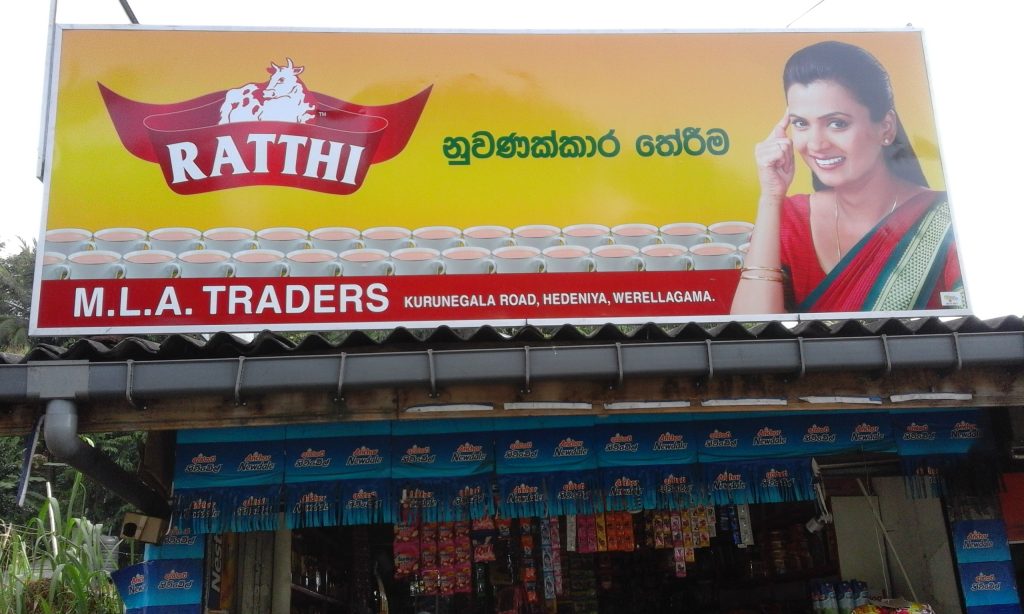

India’s advertising landscape thrives on diversity — from languages and cultures to local design sensibilities. Among the most visible branding tools across urban and rural retail spaces are dealer boards. These outdoor signages are not just identifiers but a crucial medium for brand communication at the grassroots level. Interestingly, local fabrication and regional design preferences play a vital role in determining how dealer board advertising in India is executed, perceived, and remembered.
This article explores how regional aesthetics, local manufacturing capabilities, and cultural influences shape dealer board styles across India’s vast geography.
The Significance of Dealer Boards in Indian Retail
In India’s fragmented retail ecosystem, dealer boards serve as a brand’s physical footprint. They help consumers identify outlets, boost brand visibility, and strengthen recall. From large automobile dealerships to small FMCG stores, dealer boards bridge the gap between national brand campaigns and localized retail presence.
However, the strength of these boards lies in their adaptability — how effectively they’re fabricated and designed to suit local preferences, environmental conditions, and cultural contexts.
The Impact of Local Fabrication on Dealer Board Advertising
Local fabrication refers to manufacturing and assembling dealer boards within regional markets instead of central production hubs. This approach offers multiple benefits:
-
Cost Efficiency: Local fabrication reduces transportation and logistics costs, making large-scale rollouts affordable.
-
Faster Turnaround: Regional workshops can produce and install boards quickly, ensuring timely brand launches.
-
Material Adaptation: Local fabricators understand which materials — ACP, flex, acrylic, or LED — perform best under regional climatic conditions.
-
Customization: They tailor designs based on local architecture, shop structures, and space constraints.
By relying on local expertise, brands ensure uniformity in quality while maintaining flexibility in style. For instance, fabricators in Rajasthan may prefer UV-resistant vinyl due to extreme heat, while those in Kerala might use moisture-proof materials for humid climates.
Regional Design Preferences Across India
Design preferences in dealer board advertising are deeply influenced by cultural nuances, language, and consumer psychology. Let’s look at how they differ across major Indian regions:
1. North India: Bold and Multilingual
In states like Uttar Pradesh, Haryana, and Punjab, dealer boards often feature bold colors, large fonts, and bilingual text (English and Hindi or Punjabi). These designs focus on visibility and instant recognition, especially in crowded marketplaces.
2. Western India: Sleek and Professional
Maharashtra and Gujarat favor ACP and LED boards with clean typography and polished finishes. The emphasis here is on a modern, corporate image that aligns with industrial and urban consumer bases. Marathi or Gujarati scripts often appear alongside English to retain local flavor.
3. Southern India: Minimal and Aesthetic
Tamil Nadu, Karnataka, and Kerala showcase minimalistic designs with neat layouts, subtle lighting, and bilingual text (English + regional language). The aesthetic preference is elegance over loudness — a reflection of the region’s design maturity.
4. Eastern India: Artistic and Vibrant
In Bihar, West Bengal, and Odisha, colorful dealer boards with traditional patterns dominate. Local motifs and festive visuals create emotional appeal. Flex and printed boards are widely used due to affordability and easy maintenance.
These regional design preferences give each state’s retail landscape a unique visual identity, ensuring that even the most standardized national brands appear locally relevant.
Language and Cultural Adaptation in Dealer Boards
Language plays a central role in shaping trust and relatability. Bilingual and regional language dealer boards have proven far more effective in driving local engagement than English-only boards.
For instance:
-
In Tamil Nadu, English-Tamil combinations are common.
-
In Gujarat, English-Gujarati boards help create local brand affinity.
-
In North India, Hindi-English signage ensures broader comprehension.
Cultural adaptation goes beyond language — it includes color psychology, symbols, and motifs that resonate with local audiences. A red-and-yellow scheme might evoke energy in Punjab, while earth tones or metallic shades may work better in Maharashtra.
Climate and Material Selection in Local Fabrication
Different regions demand different materials based on environmental conditions:
-
Coastal Areas (Mumbai, Chennai, Kochi): ACP and waterproof acrylic boards resist corrosion and humidity.
-
Dry Zones (Rajasthan, Gujarat): UV-coated flex or metal boards withstand high temperatures.
-
Rain-Heavy States (Assam, Bengal): Weatherproof vinyl and sealed LED panels prevent water damage.
This adaptation ensures that dealer boards remain durable, legible, and visually appealing, regardless of geography.
Benefits of Region-Specific Dealer Board Advertising
By incorporating local fabrication and regional design inputs, brands gain several advantages:
-
Authentic Local Appeal: Consumers relate better to designs that reflect their language and culture.
-
Cost Optimization: Reduced transport and maintenance costs through local production.
-
Faster Scalability: Quicker rollouts across multiple regions.
-
Higher Recall Value: Familiar color schemes and fonts improve memory retention.
Brands that localize their dealer board advertising strategy see stronger brand equity and more consistent retail engagement across India.
Conclusion
The success of dealer board advertising in India lies in its ability to merge national brand consistency with regional creativity. Local fabrication brings practicality and speed, while regional design preferences infuse character and authenticity. Together, they form the backbone of India’s most visible and relatable retail branding strategy.
For brands aiming to strengthen their presence across India’s dynamic markets, the key is simple — think globally, design locally, and fabricate regionally.