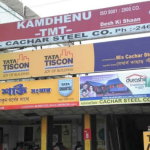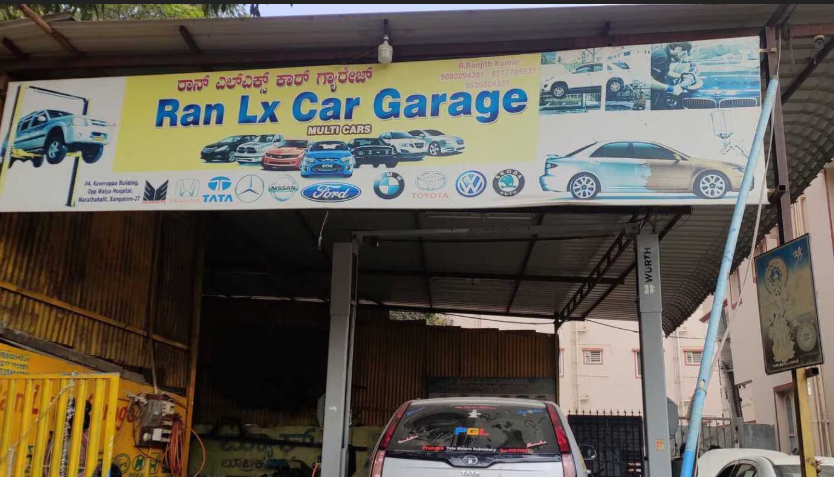

In India’s fast-paced retail ecosystem, dealer boards serve as one of the most consistent and cost-effective branding tools. They not only identify retail touchpoints but also play a crucial role in shaping consumer perceptions. Especially in industries like FMCG and automobiles, where competition is intense and brand differentiation is essential, dealer boards act as powerful vehicles for strengthening brand recall.
Understanding the Power of Dealer Boards in Retail Branding
Dealer boards are more than just signages — they are visual representations of a brand’s identity. They help bridge the gap between national advertising campaigns and on-ground retail presence. Whether in urban centers or small towns, dealer board branding reinforces familiarity, builds credibility, and keeps the brand top-of-mind for consumers.
A well-designed dealer board creates instant recognition, guiding customers toward the desired product or dealership. By maintaining design consistency across locations, brands ensure their visibility remains strong and unified.
Dealer Boards and Brand Recall in the FMCG Sector
For Fast-Moving Consumer Goods (FMCG) companies, visibility is everything. Products from competing brands often sit side-by-side on retail shelves, making dealer board advertising essential for top-of-mind awareness.
How dealer boards enhance brand recall in FMCG:
-
Reinforcing Consistency: Uniform signage across thousands of kirana stores builds familiarity, making the brand easier to remember.
-
Local Language Branding: FMCG brands frequently use regional languages on boards to establish trust and cultural connection.
-
Color and Logo Prominence: Bright colors and logos remind customers of TV or digital ads they’ve seen, creating subconscious recall.
-
Visibility in High-Traffic Zones: Placing dealer boards at busy markets ensures repeated exposure, improving brand memory retention.
Brands like Hindustan Unilever, ITC, and Nestlé leverage dealer board advertising to maintain a strong brand presence across India’s fragmented retail network.
Dealer Boards in the Automobile Sector: Driving Trust and Recognition
In the automobile industry, brand trust and premium perception are crucial. Dealerships use dealer boards to project professionalism, reliability, and brand strength. These signages are designed to align with the global visual identity of each brand, ensuring customers instantly associate the board with quality and service excellence.
Key advantages for automobile brands:
-
Uniform Dealership Identity: From city showrooms to rural outlets, consistent board designs strengthen corporate image.
-
Premium Materials: Use of ACP, Acrylic, and LED ensures high durability and a polished, modern look.
-
Night Visibility: LED-lit boards guarantee 24/7 visibility, crucial for brands operating in competitive cityscapes.
-
Directional Guidance: Strategically placed boards help customers easily locate authorized dealers and service centers.
For automobile giants like Maruti Suzuki, Bajaj Auto, and Hyundai, dealer boards act as trust markers, signaling authenticity and ensuring customers feel confident about their purchase or service choice.
How Dealer Boards Bridge the Gap Between ATL and BTL Marketing
While Above-the-Line (ATL) advertising builds broad awareness through TV, print, and digital channels, Below-the-Line (BTL) tools like dealer boards bring that awareness to life at the retail level. When a customer who’s seen a brand’s ad on television encounters the same logo or colors on a dealer board, the recall is almost instant.
This seamless integration strengthens consumer memory and converts awareness into action — driving store visits and influencing purchase decisions.
Designing Dealer Boards for Maximum Recall
To maximize recall value, brands must focus on both design and placement.
-
Consistency: Use uniform fonts, colors, and brand elements across all dealer boards.
-
Simplicity: Avoid clutter; ensure brand name and logo dominate the visual space.
-
Material Quality: Opt for durable materials like ACP or Acrylic to maintain quality over time.
-
Lighting: Incorporate LED backlighting for better visibility at night.
-
Localization: Adapt content for regional audiences without losing brand identity.
By combining these design principles, brands can create dealer boards that are both memorable and effective.
Conclusion
The role of dealer boards in strengthening brand recall for FMCG and automobile sectors cannot be overstated. They act as vital touchpoints that connect mass media campaigns to real-world purchase environments. Whether it’s an FMCG brand vying for shelf attention or an automobile company seeking to project trust and class, dealer board advertising remains a timeless strategy for ensuring consistent visibility and consumer recall.
In a cluttered marketplace, the brands that stand out are those that speak consistently — and dealer boards make that possible, one store at a time.