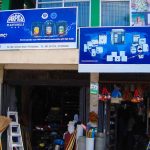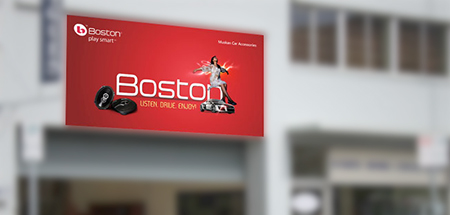

Understanding how to measure ROI of in-store and dealer board advertising has become essential for brands that invest heavily in offline visibility. Retail environments influence a large percentage of purchase decisions, which makes measuring outcomes even more important. Brands now expect clear data to justify expenditure. This shift has pushed marketers to adopt more structured evaluation methods.
Why Measuring ROI Matters
ROI measurement helps brands understand the real value of their marketing investments. It highlights what works and what needs improvement. Accurate tracking ensures that budgets remain efficient and targeted. It also empowers teams to adjust campaigns with confidence and speed. Moreover, data-backed insights help strengthen dealer relationships.
1. Track Footfall Before and After Branding
Footfall analysis is one of the most reliable methods. Retailers can install sensors, use manual counters, or rely on POS software insights. Footfall changes often reveal the immediate influence of new dealer boards or in-store branded zones. Many brands use week-on-week comparisons to ensure accuracy. Sudden increases usually indicate successful visibility placement.
2. Monitor Sales Lift and Product Movement
Product sales are the most direct reflection of ROI. Brands often track sales data for promoted SKUs before and after the installation of dealer boards or in-store branding setups. This approach highlights the impact of visual communication on customer purchasing decisions. Seasonal campaigns benefit greatly from this metric because sales usually shift rapidly. Sales lift confirms whether branding encourages faster movement of inventory.
3. Use Controlled A/B Store Testing
A/B testing allows brands to compare performance across similar stores. One store features the campaign while the other maintains a regular setup. Differences in sales, footfall, and customer engagement help measure ROI of in-store and dealer board advertising with high accuracy. This technique isolates external factors and offers simplified benchmarking. Retailers also prefer it because it minimizes assumptions.
4. Measure Brand Recall Through Surveys
Brand recall studies capture the psychological impact of dealer board advertising. Short surveys inside stores or through digital platforms help measure how well customers remember visuals, messages, or offers. Improvements in recall show that branding enhances visibility and top-of-mind awareness. Retailers often combine surveys with feedback forms for richer insights. This strategy works well during high-traffic seasons.
5. Analyse Engagement With In-Store Zones
Interactive zones often drive higher engagement. Brands can track how long customers spend in front of displays, shelves, or demo areas. Heatmaps from smart cameras make this process easier. Higher engagement times usually correlate with better campaign response. Retailers benefit from these insights because they guide future display planning.
6. Evaluate Dealer Feedback and Store-Level Response
Dealers observe daily customer behaviour. Their feedback helps evaluate how well signboards and branded elements perform. They can report increase in enquiries, improved walk-ins, and higher product interest. This information supplements numerical data. It also ensures strong dealer-brand partnerships, which influence long-term retail success.
7. Calculate Cost vs. Impact Ratio
Every ROI evaluation must include cost analysis. Brands can compare campaign expenses against incremental revenue. They can also track operational savings from improved visibility. In-store branding and dealer boards often deliver long-term value because they remain visible for months. Cost vs. impact ratio offers a final confirmation of profitability.
Conclusion
Brands that consistently measure ROI of in-store and dealer board advertising gain stronger control over their retail strategies. Footfall tracking, sales lift analysis, A/B testing, recall surveys, and engagement metrics create a comprehensive evaluation framework. Clear measurement ensures better budgeting, stronger dealer relationships, and improved customer experiences.