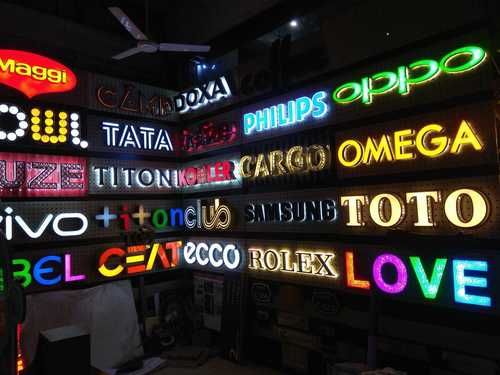

The impact of QR codes NFC and smart displays on traditional signage has redefined how brands communicate with customers. Offline media is no longer static. It has become interactive, measurable, and deeply connected to digital experiences. By integrating technology into signboards, brands now offer quick access to information while increasing engagement. This shift has made traditional signage far more dynamic.
How QR Codes Transform Traditional Signage
QR codes create an instant bridge between offline branding and digital content. Customers scan a code and reach product pages, offers, menus, reviews, or videos within seconds. This transition eliminates the limitations of static print ads. Retailers also gather insights using QR-based analytics. They can track scans, time of day, and customer interest levels. Such data offers value that traditional signboards never provided earlier. QR codes encourage interaction without increasing production costs.
NFC Technology Brings Contactless Interactivity
NFC-enabled signage delivers seamless tap-based engagement. Customers simply hold their phones near the signage to trigger an action. The experience feels modern and intuitive, especially in retail environments. NFC tags remain hidden inside the display, so the signboard looks clean and minimal. Brands use NFC to share product demos, user manuals, discount codes, or contact details. The tap-and-go process works even when internet speed is low, which increases accessibility. NFC-based signage strengthens customer trust because the technology feels secure and reliable.
Smart Displays Add Motion and Real-Time Content
Smart displays transform physical locations into digital storytelling zones. Dynamic screens showcase videos, animations, product demos, and interactive menus. Real-time updates allow brands to change content instantly. This flexibility supports seasonal promotions and campaign rotations. Motion naturally grabs more attention than static visuals. As a result, stores experience better visibility and longer customer dwell time. Smart displays also integrate with sensors to show personalized content. This combination boosts engagement and improves conversion rates.
Stronger Data and Measurability
Traditional signboards rarely delivered measurable results. Technology changed that completely. QR scans reveal audience interest patterns. NFC interactions provide tap count data. Smart displays record impressions, dwell time, and content performance. This data-driven environment empowers brands to optimize campaigns with precision. It also helps retailers justify investments with clear ROI metrics. Better measurement ensures improved strategy decisions over time.
Improved Customer Experience
Interactive signage enhances customer experience by offering convenience. People can explore information without waiting for a salesperson. Many brands use QR codes to provide product comparisons. Others use NFC to enable quick checkouts. Smart displays allow customers to browse items visually. These features create more enjoyable shopping journeys. They reduce friction and build a stronger connect between customers and brands. Enhanced experience ultimately influences loyalty and repeat visits.
Cost Efficiency and Sustainability
Digital and interactive elements often reduce the need for frequent reprints. QR codes and NFC tags require minimal updates once installed. Smart displays replace multiple printed posters throughout the year. This reduces production waste and long-term expenses. Sustainability also strengthens brand reputation. Retailers appreciate solutions that balance cost saving with improved visibility.
Conclusion
The impact of QR codes NFC and smart displays on traditional signage is clear. These technologies elevate offline branding by adding interactivity, data insights, and real-time content. Brands that adopt these tools stay relevant, future-ready, and customer-focused. As digital integration strengthens, traditional signage evolves into a smarter, more powerful communication platform.