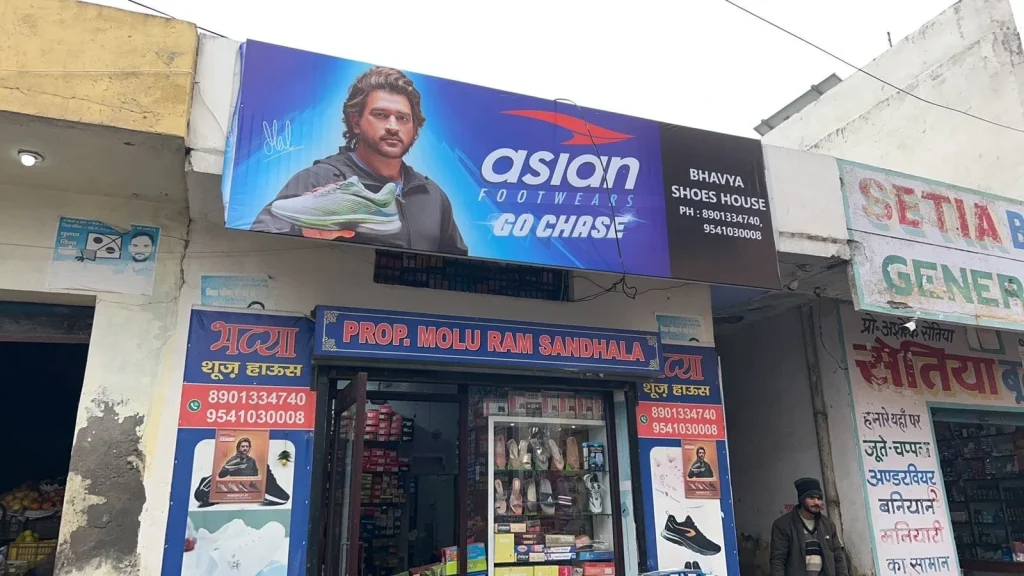

Dealer board advertising plays a crucial role in expanding brand visibility across India’s rural markets. Rural audiences value familiarity and trust, making shopfront and dealer board branding an influential touchpoint for daily purchases. Brands across FMCG, agri-products, paints, telecom, and automotive sectors rely heavily on dealer boards to strengthen recall. As rural consumption grows steadily, dealer boards have become a powerful medium for local-level visibility.
Growing Importance of Rural Dealer Boards
Rural markets continue to evolve with rising disposable incomes and increasing product awareness. Dealer boards act as permanent, high-impact branding assets that reinforce a brand’s presence in villages and small towns. They also help retailers showcase their association with trusted names. Rural customers rely on visual cues more than digital ads, so shopfront branding significantly influences buying decisions.
Key Challenges in Rural Dealer Board Advertising
1. Limited Infrastructure
Many rural shops lack structured facades or uniform storefronts. Irregular shop sizes make design standardization difficult. Brands must adapt messaging and sizes for varied surfaces.
2. Logistical Constraints
Transporting materials to remote villages requires planning. Seasonal factors and inaccessible roads can delay installation. Managing large networks becomes even more complex during monsoons or harvest seasons.
3. Inconsistent Maintenance
Weather conditions such as extreme heat, dust, and rainfall impact dealer boards. Maintaining freshness across thousands of villages demands consistent monitoring. Retailers may not prioritize upkeep unless guided and incentivized.
4. Brand Compliance Issues
Dealers sometimes modify logos, colors, or layouts while repainting or replacing boards. These inconsistencies dilute brand identity. Training and periodic audits help reduce deviations.
Major Opportunities for Brands
1. High Visibility at Low Cost
Rural dealer boards offer excellent recall with lower installation costs compared to urban OOH formats. They provide constant exposure without recurring rental costs.
2. Strong Local Credibility
Customers trust the stores they visit regularly. A branded dealer board enhances credibility and subconsciously influences product preference. It positions the brand as reliable and widely available.
3. Hyperlocal Targeting
Dealer boards allow precise targeting at village and tehsil levels. This benefits brands that want to reach micro-markets with specific regional communication.
4. Opportunity for Creative Formats
Brands can experiment with 3D boards, illuminated signs, and painted walls. Vibrant graphics stand out in low-clutter rural environments. Unique designs create higher impact among local audiences.
Best Practices for Successful Rural Dealer Board Campaigns
-
Conduct location mapping to identify high-traffic shops.
-
Customize board sizes based on available shop layouts.
-
Use durable materials suitable for rural weather conditions.
-
Train dealers on brand usage and signage maintenance.
-
Schedule periodic inspections to ensure upkeep and compliance.
-
Provide incentives for dealers who maintain branding standards.
Conclusion
Dealer board advertising in rural markets presents immense opportunities for brands seeking long-term visibility and trust among rural consumers. Although challenges such as logistics and maintenance exist, the medium continues to deliver strong impact due to high footfall at local stores. With the right strategy, consistent monitoring, and innovative designs, dealer boards can become one of the most effective branding tools for rural India’s fast-growing market.