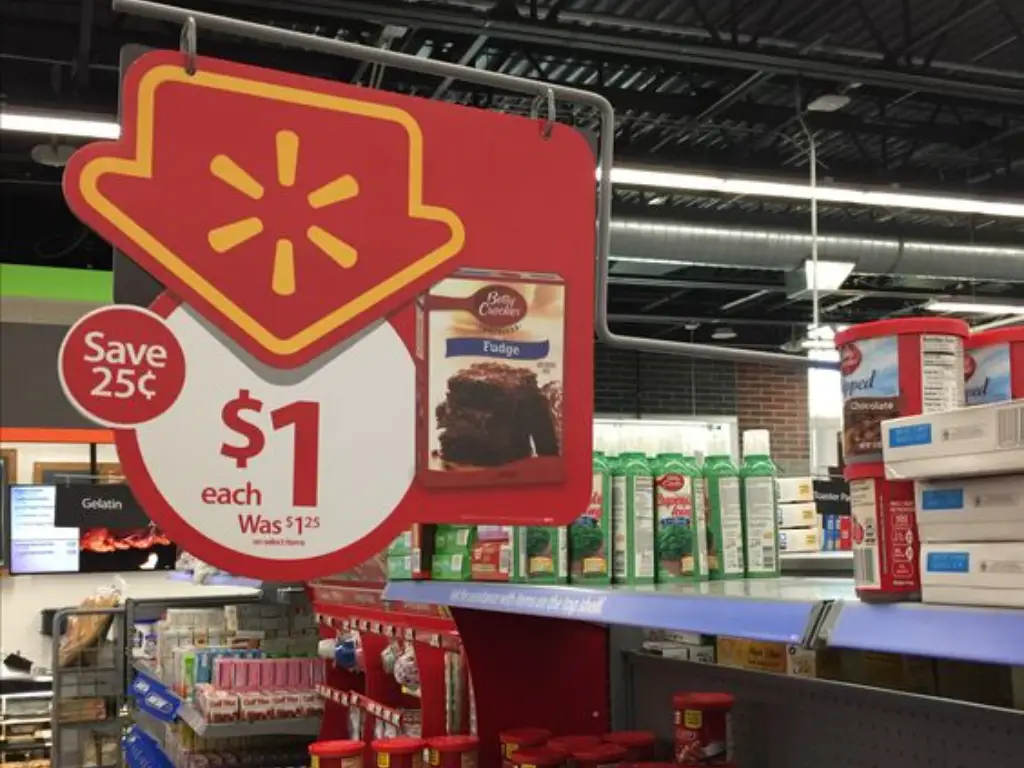

Retail environments are becoming more competitive, and brands must find effective ways to stand out. Understanding the difference between a custom POP display and standard shelf branding helps marketers choose the most impactful option. Both approaches enhance product visibility, yet each supports different retail objectives. Selecting the right method depends on your budget, brand identity, and in-store marketing strategy.
What Is a Custom POP Display?
A custom POP (Point-of-Purchase) display is a specially designed unit built to highlight a product. These displays can be floor-standing, countertop, or interactive. They use unique shapes, materials, lighting, and graphics to capture attention. Custom POP units help brands create memorable experiences and guide shoppers toward impulse purchases. They also offer excellent storytelling opportunities within the store.
What Is Standard Shelf Branding?
Standard shelf branding includes shelf strips, wobblers, talkers, price bands, and small printed elements applied directly to retail shelves. These branding tools fit predefined sizes and follow store guidelines. Shelf branding offers subtle yet consistent visibility. It helps brands maintain presence across multiple outlets without large budgets. It works especially well for high-repeat FMCG categories.
Advantages of Custom POP Displays
Custom POP units create strong visual disruption. They allow brands to showcase USPs through creative design and high-impact graphics. Retailers appreciate the attention these displays bring to their aisles. Custom units also increase dwell time, which improves product recall. They often drive impulse buying because shoppers interact directly with the display. Moreover, brands can modify shapes, colors, and messaging to align with specific campaigns.
Advantages of Standard Shelf Branding
Standard shelf branding ensures uniform visibility in large retail networks. It offers cost efficiency and faster rollout. Brands benefit from consistent exposure across multiple stores. Shelf branding also works well for limited-space outlets because it does not require additional floor area. Retailers find it easy to maintain, making it suitable for long-term visibility. Shelf elements subtly influence shoppers at the exact point of purchase.
Limitations of Each Approach
Custom POP displays require approvals, space, and higher investment. They need periodic upkeep, making logistics more complex. Shelf branding, on the other hand, may fail to stand out in cluttered aisles. Standard formats limit creativity and reduce the opportunity for storytelling. Both approaches need proper execution to deliver meaningful impact.
Which One Should You Choose?
Choosing between a custom POP display vs standard shelf branding depends on your marketing goals. Use custom displays when launching new products, running seasonal promotions, or creating brand differentiation. Choose shelf branding when consistency, cost control, and broad distribution are priorities. Many successful brands combine both strategies to balance impact and reach.
Conclusion
Both custom POP displays and standard shelf branding play vital roles in in-store marketing. Custom POP units offer high-impact engagement, while shelf branding ensures continuous visibility. Understanding the strengths of each method helps brands design smarter, cost-effective retail campaigns. A strategic mix enhances shopper influence and drives stronger conversions across all retail formats.